
Daikin
465
current models on sale in Australia

Split, installed (estimate)
$1,900 – $4,800
Estimated 2026 range; your quote confirms it
Warranty
5 years
Parts and labour on splits, per the manufacturer. Conditions apply
Best for
People who want the safe answer and plan to keep the house.
Daikin ranges
Every Daikin range on sale in Australia, with the sizes available and the estimated installed price. Open one to compare its models.
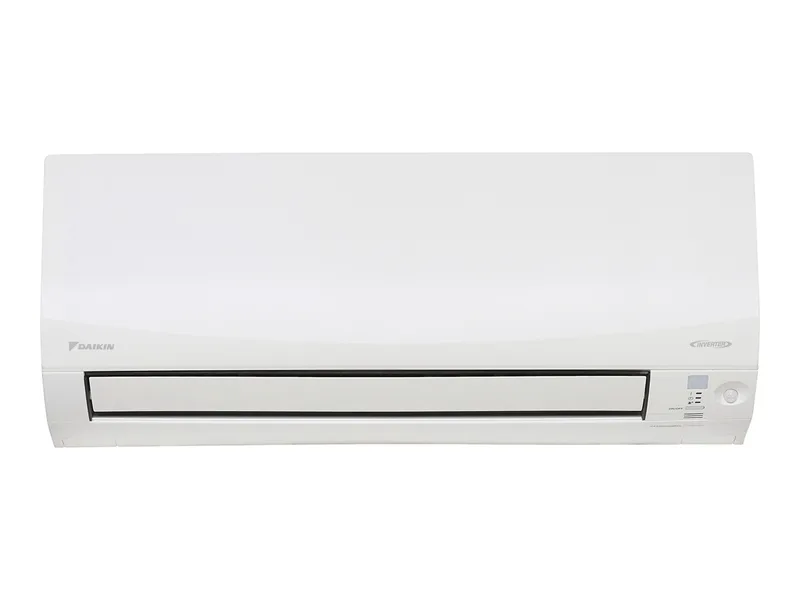 Image: Daikin
 Daikin Cora
Wall split · 2 to 7.1 kW · 21 models
Est. installed $1,400–$3,900
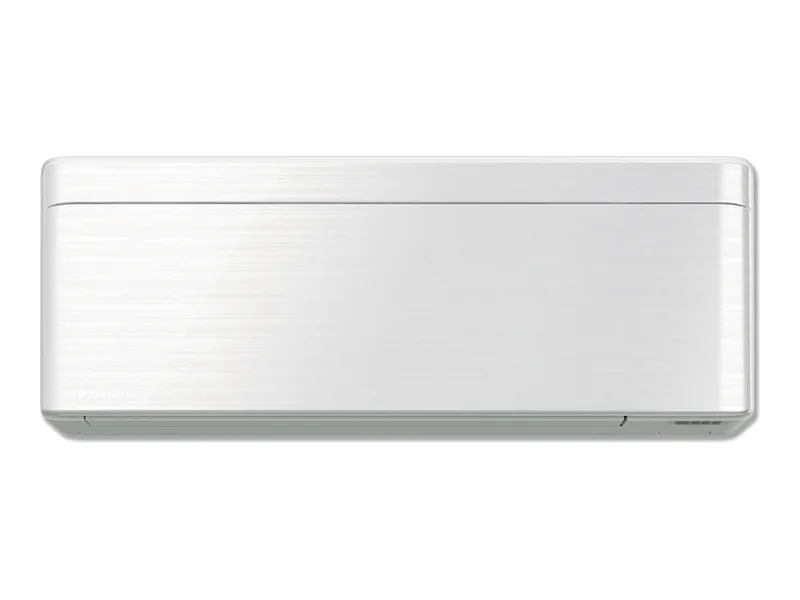 Image: Daikin
 Daikin Zena
Wall split · 2.5 to 6 kW · 24 models
Est. installed $1,500–$3,600
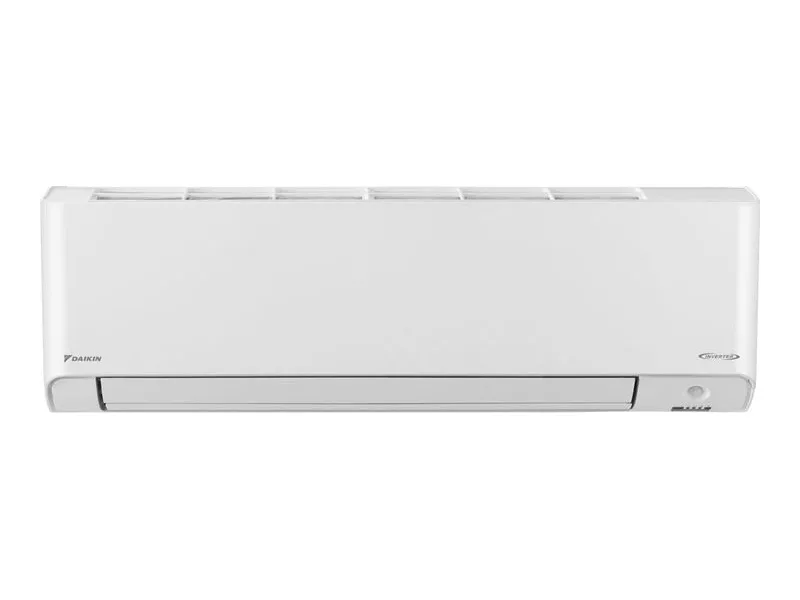 Image: Daikin
 Daikin Alira X
Wall split · 2.2 to 7.1 kW · 19 models
Est. installed $1,400–$3,900
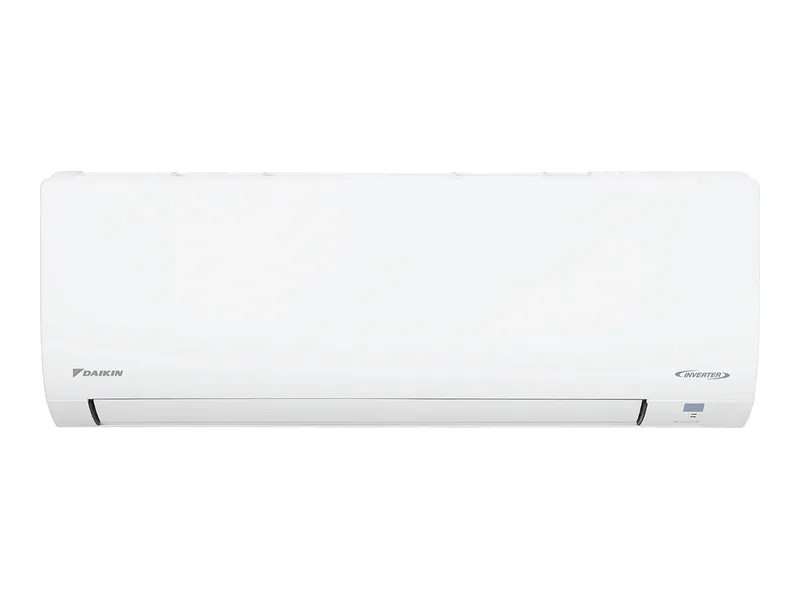 Image: Daikin
 Daikin Lite
Wall split · 2 to 7.1 kW · 21 models
Est. installed $1,400–$3,900
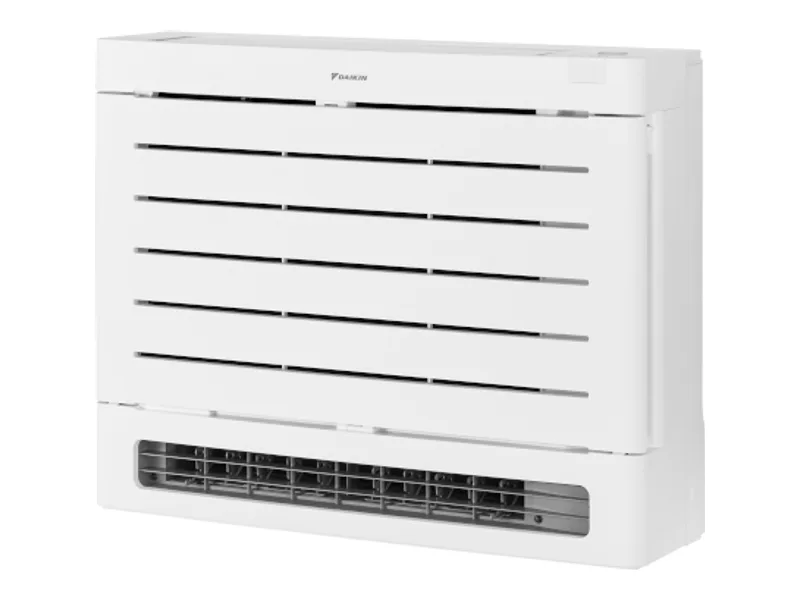 Image: Daikin
 Daikin Floor Standing
Floor console · 2.5 to 6.7 kW · 6 models
Est. installed $2,800–$4,800
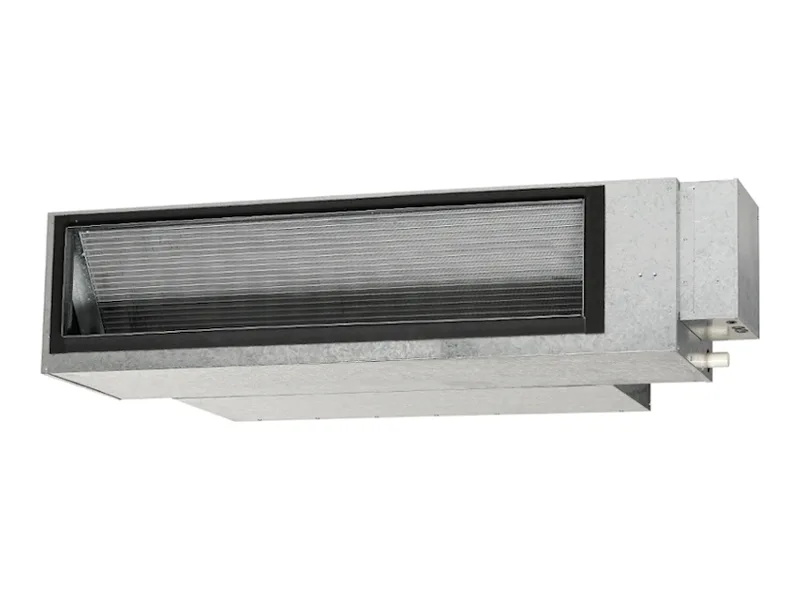 Image: Daikin
 Daikin Premium Inverter Ducted
Ducted · 7.1 to 24 kW · 35 models
Est. installed $6,500–$20,000
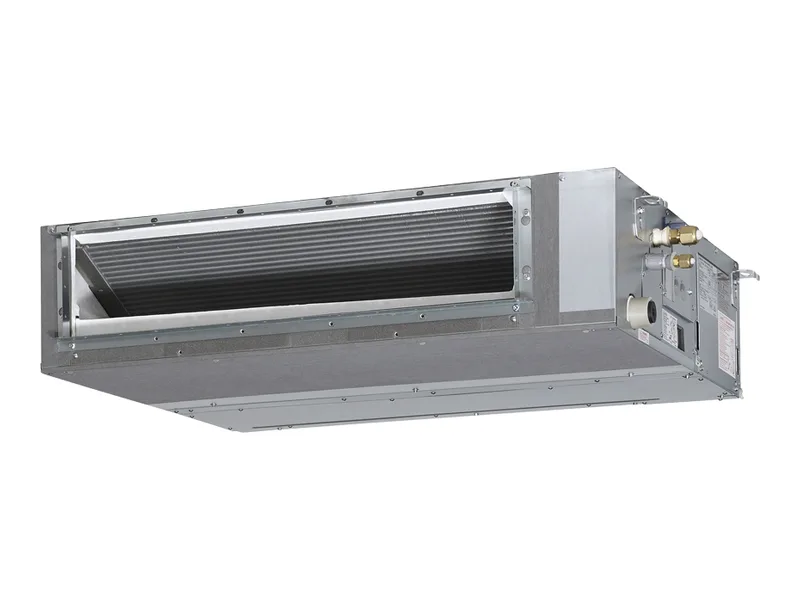 Image: Daikin
 Daikin Slim-Line Ducted
Ducted · 5 to 14 kW · 29 models
Est. installed $6,500–$15,000
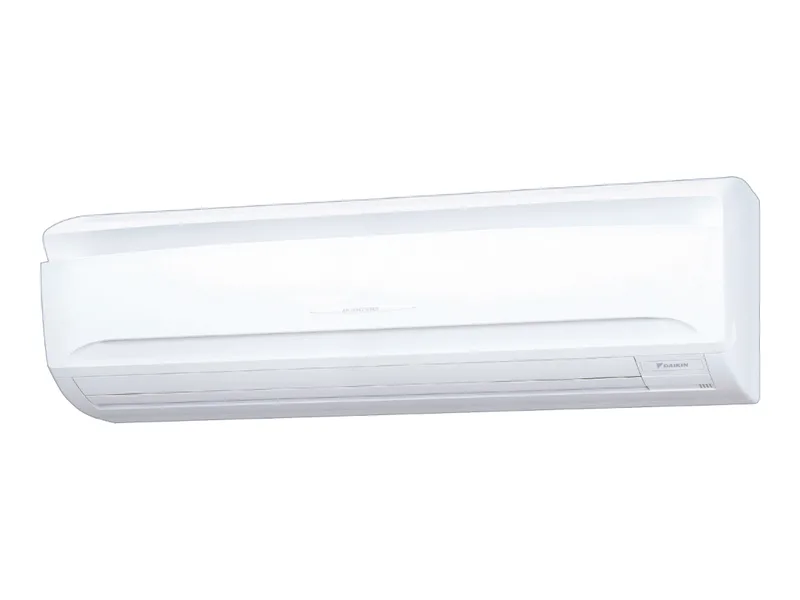 Image: Daikin
 Daikin SkyAir Wall Mounted
Floor/ceiling console · 5 to 10 kW · 25 models
Est. installed $2,100–$4,800
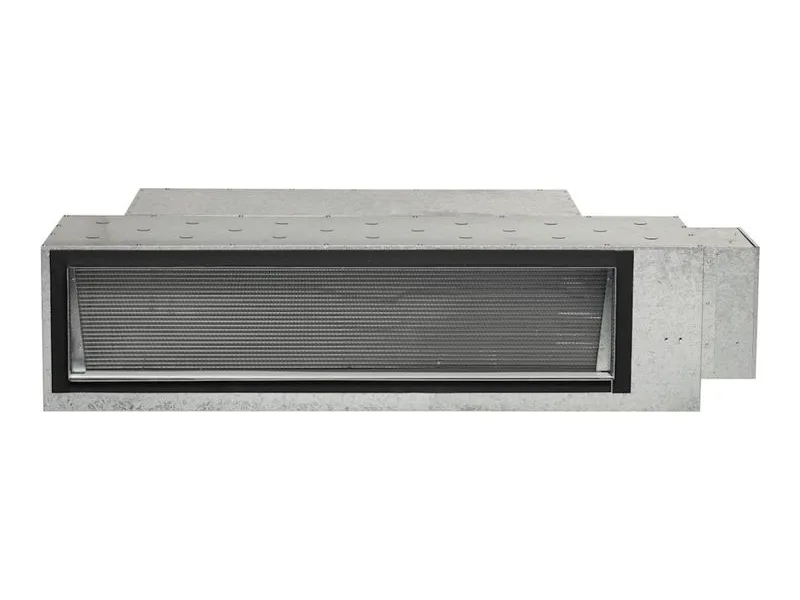 Image: Daikin
 Daikin Underfloor Ducted
Ducted · 7.1 to 16 kW · 26 models
Est. installed $6,500–$17,000
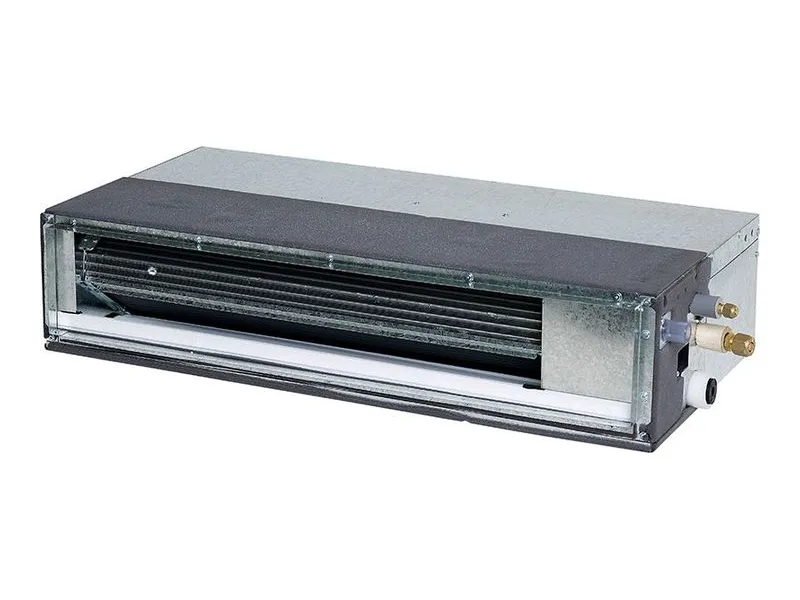 Image: Daikin
 Daikin Bulkhead
Ducted · 2.5 to 7.1 kW · 14 models
Est. installed $6,500–$10,500
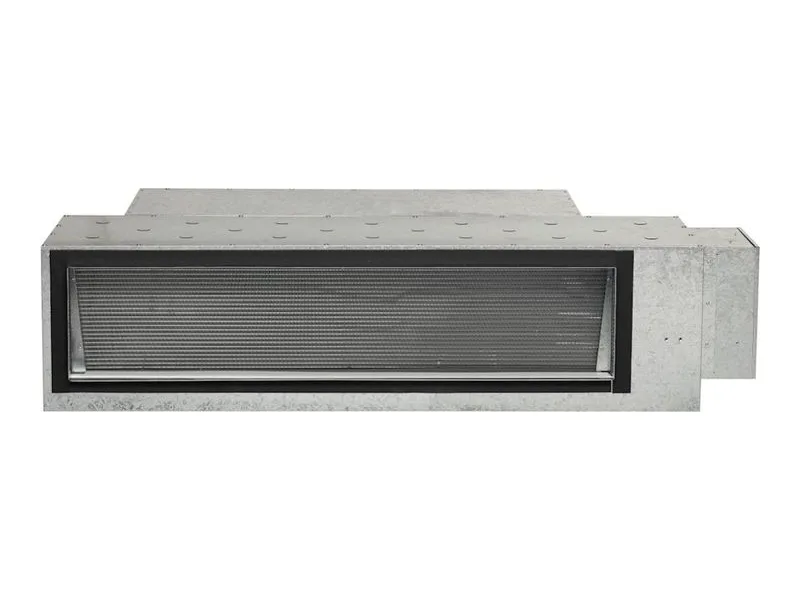 Image: Daikin
 Daikin Inverter Ducted
Ducted · 5 to 23.5 kW · 40 models
Est. installed $6,500–$20,000
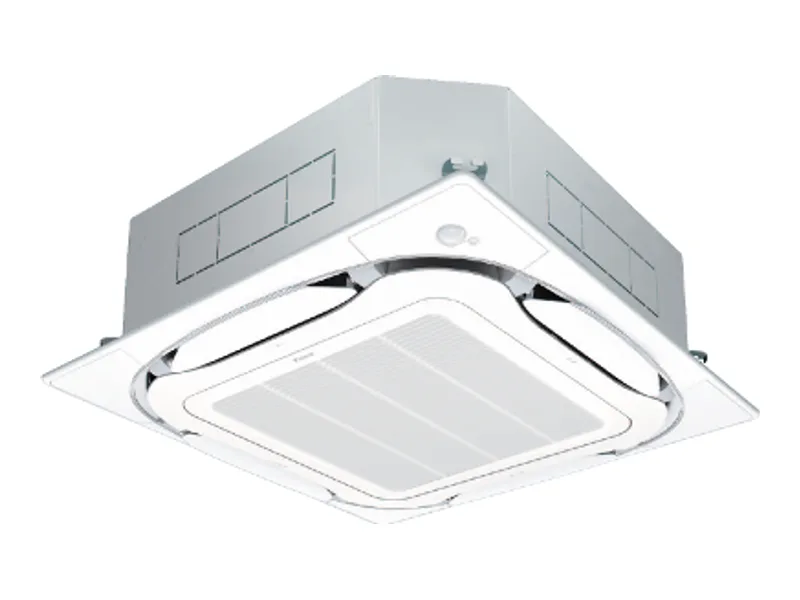 Image: Daikin
 Daikin Round Flow Cassette
Ceiling cassette · 5 to 14 kW · 45 models
Est. installed $3,500–$7,000
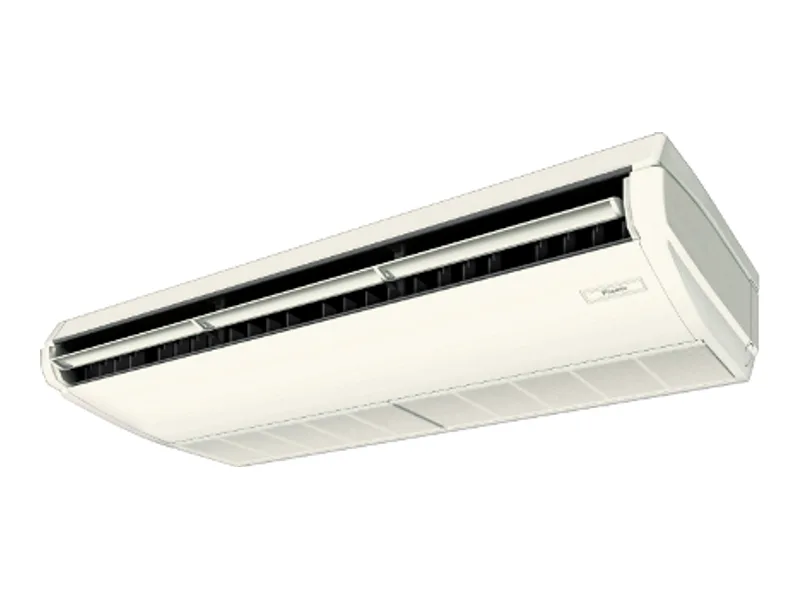 Image: Daikin
 Daikin Ceiling Suspended
Floor/ceiling console · 5 to 14 kW · 38 models
Est. installed $2,800–$4,800
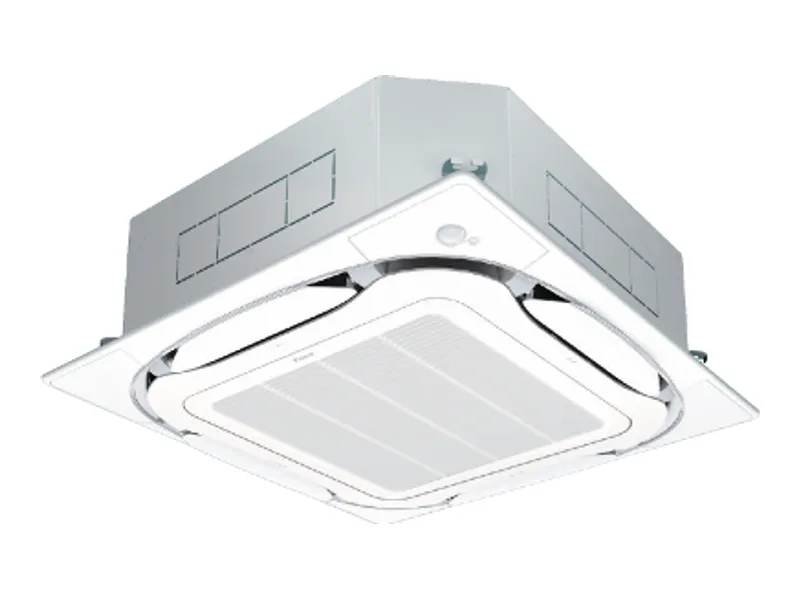 Image: Daikin
 Daikin Round Flow Cassette with Streamer
Ceiling cassette · 5 to 14 kW · 16 models
Est. installed $3,500–$7,000
Ask ten Australian installers what they run at home and Daikin wins the straw poll most years. That is not marketing. It is the service agent network: Daikin has specialist dealers in every capital and most regional centres, which means parts and warranty service stay easy for the life of the unit.
The range runs from a fair-priced entry split to the flagship quiet series. The mid range is where the value sits for most homes: you get the low noise floor, decent Wi-Fi control and the proper warranty without paying flagship money.
On price, a typical bedroom-size Daikin split, a 2.5 kW Cora, installs around $1,900 to $2,500 in 2026 on a standard install. A 7.1 kW for a living area is more like $2,600 to $3,600, and the flagship Zena and Alira X sit above both. Like-for-like, expect to pay a few hundred more than a Kelvinator or Hisense. Over a fifteen-year life, that premium is a few dollars a year.
Ducted is where Daikin is genuinely strong: their inverter ducted systems with proper zoning are a common spec in new builds, and the dealer network quotes them competitively against ActronAir.
The honest catch: everyone knows Daikin is the safe pick, so lazy quotes lean on the badge. A Daikin oversized by two kilowatts is a worse buy than a correctly sized anything else. Get the sizing checked, then buy the badge if the number still works.
Every current model
465 Daikin models on the Energy Rating register
Compared on size, star ratings and noise, with typical installed prices.
Daikin split system range guide for 2026
Daikin Australia currently lists five wall-mounted split families plus a floor-standing unit. The names matter more than the model codes when you compare quotes, because two installers can quote the same room with very different series and both call it "a Daikin".
| Series | Type | Capacities listed | Where it sits |
|---|---|---|---|
| Lite | Wall mounted | 2.0 to 7.1 kW (reverse cycle or cooling only) | Entry. Compact, quiet, the one most bedroom quotes use |
| Cora | Wall mounted | 2.0 to 7.1 kW (reverse cycle or cooling only) | Mid. Intelligent Eye sensor and a nicer finish |
| Zena | Wall mounted | 2.5 to 6.0 kW (reverse cycle) | Design flagship. Slim body, white or black wood finish, Streamer air cleaning |
| Alira X | Wall mounted | 2.2 to 7.1 kW (reverse cycle or cooling only) | Premium health pick. Streamer, built-in Wi-Fi, Sensitive Choice approved |
| XL and XL Premium | Wall mounted | 8.0 to 9.5 kW | Big open-plan living areas |
| Floor Standing | Floor | 2.5 to 6.7 kW | Under-window or low-wall spots, strong in heating |
For most bedrooms, Lite or Cora is the honest spend. Zena and Alira X earn their premium in a main living area, or for an allergy household that values the air-cleaning features. For a room over about 50 square metres, check whether one XL unit or two smaller units makes more sense. Run it through the sizing calculator first, and see what a split costs installed before you compare badges. Then get it quoted for your house: up to three licensed local installers size the room and itemise the price.
Daikin ducted and multi-split options in Australia
Daikin's residential ducted line-up on its Australian site is the Premium Inverter (7.1 to 24 kW), the Inverter ducted (5.0 to 23.5 kW) and the Slim-Line (5.0 to 14 kW) for tight ceiling spaces, plus bulkhead and underfloor versions. Zoning and app control run through Daikin's Airbase controller. A single-storey three-bedroom home with sensible zoning usually lands between $9,000 and $16,000 installed; see our ducted cost guide for what moves that number, or request a ducted quote for your floor plan.
For two to five rooms without ducting, Daikin sells the Super Multi NX, with outdoor units from 5.2 to 10 kW that run wall, bulkhead, ducted or cassette indoor heads. Bigger homes can go to the VRV IV-S, which Daikin pitches for up to 14 rooms. Multi-split suits brick homes with no roof space, but each head has its own pipe run, so get it quoted against ducted before you commit.
Daikin aircon symbols and remote control: what they mean
The Daikin remote uses the same mode icons as most brands: a snowflake for cool, a sun for heat, a water drop for dry, a fan for fan-only and an A-in-arrows symbol for auto. Our air conditioner modes and symbols guide explains each one and when to use it.
The Daikin-specific buttons are the ones owners ask about. On the current wall splits Daikin lists Econo (caps power draw, handy when the house is running other big loads), Powerful (a short full-output burst to get a hot room down fast), Quiet (drops the outdoor unit noise, useful near a neighbour's bedroom), Comfort airflow (steers air away from people) and the Intelligent Eye sensor, which eases off when the room is empty. Streamer, on Zena, Alira X and the floor unit, switches on Daikin's air-cleaning module.
Daikin error codes and how to read them
Daikin wall splits report faults through the remote. The operation manuals describe the method: hold the button shown on the manual's fault-diagnosis page for about five seconds until the temperature display blinks, then press it repeatedly until the unit gives a long beep. The code shown at that point is the fault. Holding the button for five seconds again clears the display. Remotes differ between series, so follow the manual for your model.
| Code | What Daikin says it means |
|---|---|
| 00 | Normal, no fault stored |
| U4 | Transmission failure between indoor and outdoor unit |
| U0 | Refrigerant shortage |
| A5 | High pressure control or freeze-up protection |
| A6 | Fan motor fault |
Daikin publishes operation manuals by model at daikin.com.au/operation-manuals. Its own advice is that a licensed installer or dealer should deal with the cause before the code is reset. A U4 after a storm is often a power or wiring issue. A refrigerant code is a job for an ARCtick-licensed technician, never a top-up from a mate.
If your Daikin is more than 10 to 12 years old, or keeps throwing the same fault after a reset, repair money is often better spent on a replacement. A new bedroom split costs about $1,500 to $2,500 installed in 2026 and a 7 kW living-room unit $2,600 to $3,900, on a standard install. Our split system cost guide shows what the price includes. A licensed local installer can tell you whether the old unit is worth fixing, and up to three local quotes put the replacement price in writing.
Daikin warranty and service in Australia
Daikin's product pages state a 5-year parts and labour warranty on split, multi-split and ducted systems purchased and installed in Australian homes. The full terms sit in the Daikin Manufacturer's Warranty Card on its warranty page. The exclusions are the usual ones worth reading: poor installation, incorrect power supply, salt-air corrosion and vermin damage are not covered.
Service is the real reason Daikin wins installer polls. Daikin sells through a specialist dealer network it puts at more than 500 dealers, so warranty work is usually a local phone call. Keep the invoice and the model and serial numbers together. Check that your installer holds an ARCtick licence and that a licensed electrician does the wiring, because poor installation voids most warranties.
Sources
Where it earns the money
- Deep Australian dealer and service network, parts easy to get for decades-old units
- Refined splits with low quoted noise on the lowest fan setting; on the government register, which measures every brand the same way, Daikin sits close to the median for its size (see the quietest split systems ranking)
- Strong resale of trust: a Daikin on the wall never needs explaining
- Five-year parts and labour warranty as standard
Watch-outs before you sign
- You pay for the badge. Like-for-like capacity often runs a few hundred dollars over the mid-tier
- Entry ranges are made in Thailand and Malaysia like most rivals, so the sticker alone is not the reason to buy
Our verdict
The default premium pick. If you do not want to think about brands, a Daikin sized correctly by a licensed installer is very hard to get wrong.
Whatever the badge, sizing and install quality decide how it feels to live with. Check your postcode's rebate and get quotes from up to three licensed local installers to compare.
FAQ
Daikin questions
Is Daikin better than Mitsubishi Electric?
Neither is clearly better. Both have long Australian reliability records, both offer 5-year warranties and both have quiet flagship models. Daikin has the wider specialist dealer network; Mitsubishi Electric often quotes slightly cheaper for the same capacity. See our Daikin vs Mitsubishi Electric comparison.
How much is a new Daikin split system in 2026?
A bedroom-size Daikin split typically costs $1,900 to $2,500 installed in 2026, a 7 kW living-room unit about $2,600 to $3,900, and the biggest 9 kW class wall units up to about $4,800. Flagship series such as Zena and Alira X sit at the top of those ranges. Switchboard upgrades or long pipe runs add to it.
What do the symbols on a Daikin remote mean?
Snowflake is cool, sun is heat, water drop is dry, fan is fan-only and the A symbol is auto. Daikin adds Econo, Powerful, Quiet and Comfort buttons on most current remotes, plus Streamer on the air-cleaning models. Our modes and symbols guide covers each in detail.
How do I check a Daikin error code?
On current Daikin wall splits, hold the button your manual names for fault diagnosis for about five seconds, then press it repeatedly until you hear a long beep; the remote then shows the code. Daikin's operation manual for your model lists what each code means. Give the code to a Daikin dealer or licensed technician rather than resetting it and hoping.
How long does a Daikin split system last?
A well-installed, regularly cleaned Daikin split commonly runs 10 to 15 years or more in Australian homes. Coastal salt air, a poorly placed outdoor unit and blocked filters shorten that. The warranty covers the first five years.
What AC brands should you stay away from?
Rather than whole brands, avoid unknown online-only brands with no local service agent and no parts supply. A cheap unit is only cheap until the first fault, when nobody can fix it. Whatever you buy, check who does warranty service in your area.
Where are Daikin air conditioners made?
Daikin is a Japanese company. Like most major brands, many of the splits sold in Australia are built in its Asian factories, including Thailand and Malaysia. The compliance plate on the unit shows the country of manufacture.
Head-to-heads with Daikin
- Daikin vs Mitsubishi Electric Australia's two safest badges, compared without a salesperson leaning on the scale.
- Daikin vs Fujitsu The prestige badge against the long-serving general. Closer than the price gap suggests.
- ActronAir vs Daikin The ducted decision: Australian heat engineering against the Japanese benchmark.
- Daikin vs Panasonic Is the premium badge worth the gap over the best value Japanese brand?
- Daikin vs Mitsubishi Heavy Industries The safest badge against the trade's value favourite. Same warranty, same quiet floor, a few hundred dollars apart.
Other brands Australians check
 Mitsubishi Electric
  Fujitsu
  Mitsubishi Heavy Industries
  Panasonic
  Gree
Gree  Midea
Midea Brand names and logos are trademarks of their owners, shown to identify the brands we compare. We are independent and not affiliated with any manufacturer.

Get quotes for your air con
Free and takes about two minutes. Check your rebate, then up to three licensed local installers quote the job.
Compare 3 quotes