
Mitsubishi Electric
762
current models on sale in Australia

Split, installed (estimate)
$1,800 – $4,600
Estimated 2026 range; your quote confirms it
Warranty
5 years
Parts and labour on splits, per the manufacturer. Conditions apply
Best for
Buyers who want premium Japanese quality and are willing to compare quotes.
Mitsubishi Electric ranges
Every Mitsubishi Electric range on sale in Australia, with the sizes available and the estimated installed price. Open one to compare its models.
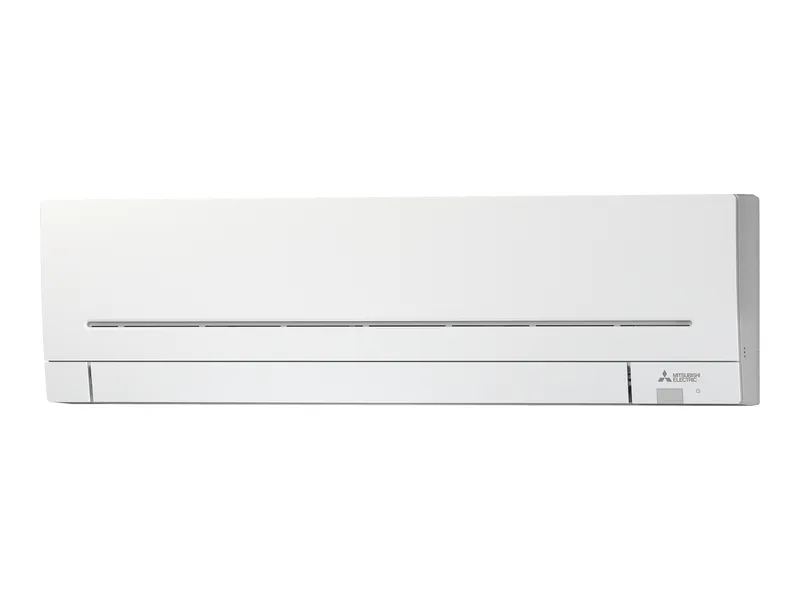 Image: Mitsubishi Electric
 Mitsubishi Electric AP Series
Wall split · 2 to 7.8 kW · 110 models
Est. installed $1,400–$4,300
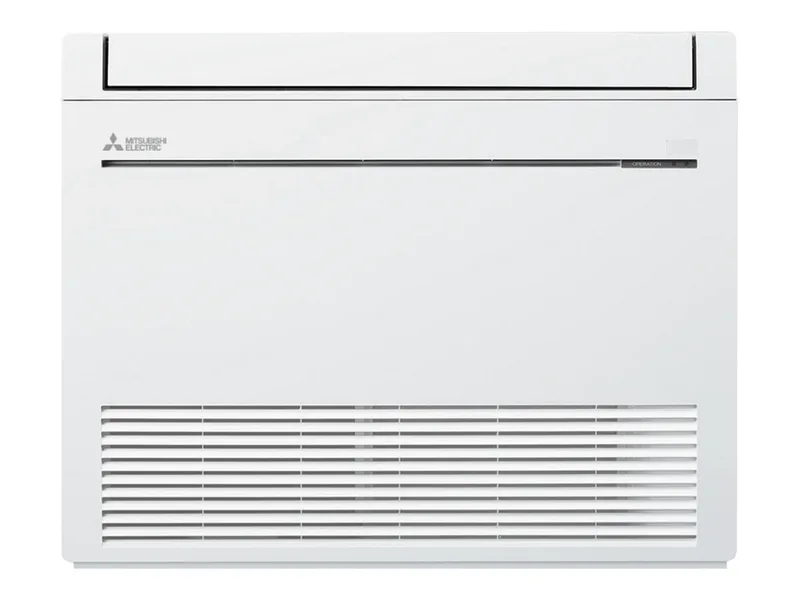 Image: Mitsubishi Electric
 Mitsubishi Electric MFZ-KW Floor Console
Floor console · 2.5 to 6.1 kW · 11 models
Est. installed $2,800–$4,800
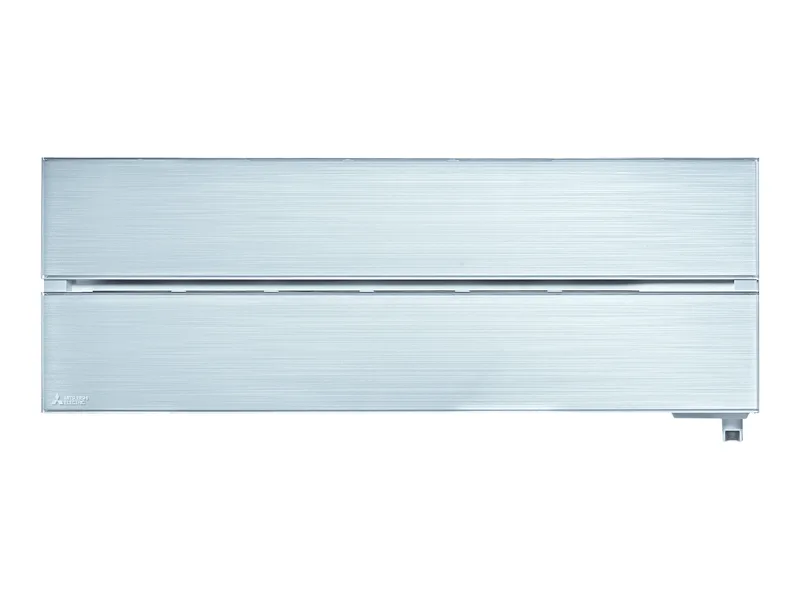 Image: Mitsubishi Electric
 Mitsubishi Electric LN Series
Wall split · 2.5 to 6.1 kW · 81 models
Est. installed $1,500–$3,600
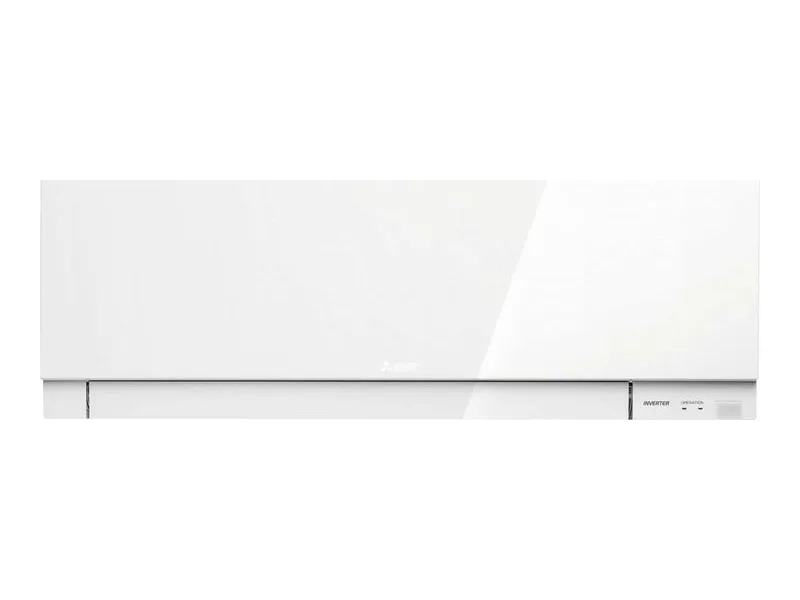 Image: Mitsubishi Electric
 Mitsubishi Electric EF Series
Wall split · 2.5 to 5 kW · 28 models
Est. installed $1,500–$3,300
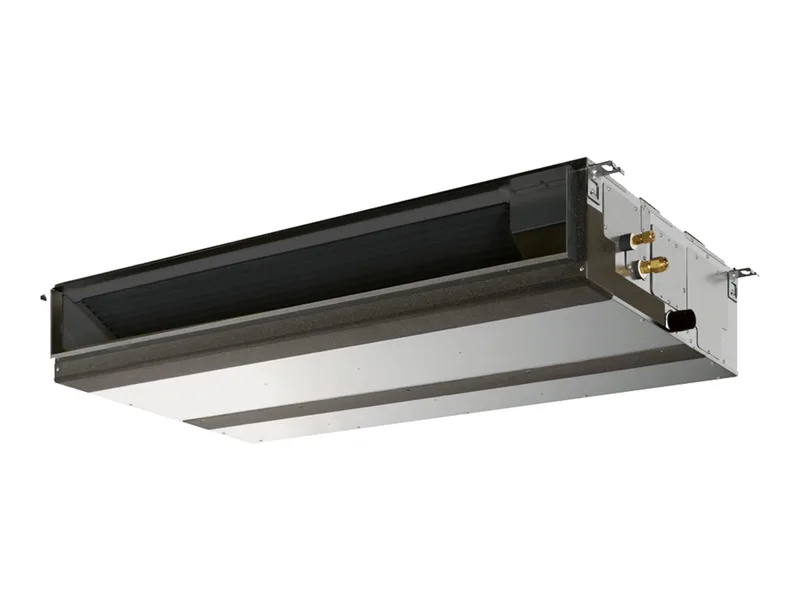 Image: Mitsubishi Electric
 Mitsubishi Electric PEAD Ducted
Ducted · 5 to 14 kW · 114 models
Est. installed $6,500–$15,000
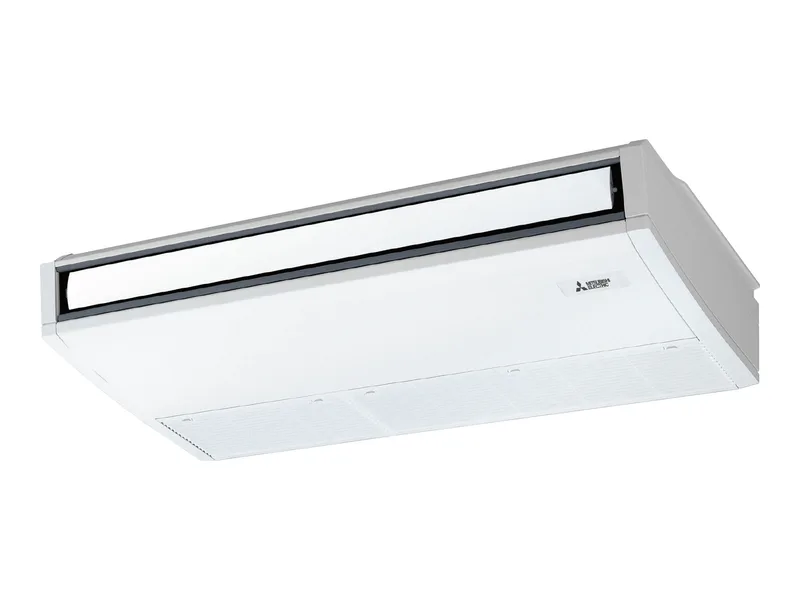 Image: Mitsubishi Electric
 Mitsubishi Electric PCA Under Ceiling
Under-ceiling · 5 to 13.5 kW · 94 models
Est. installed $2,800–$4,800
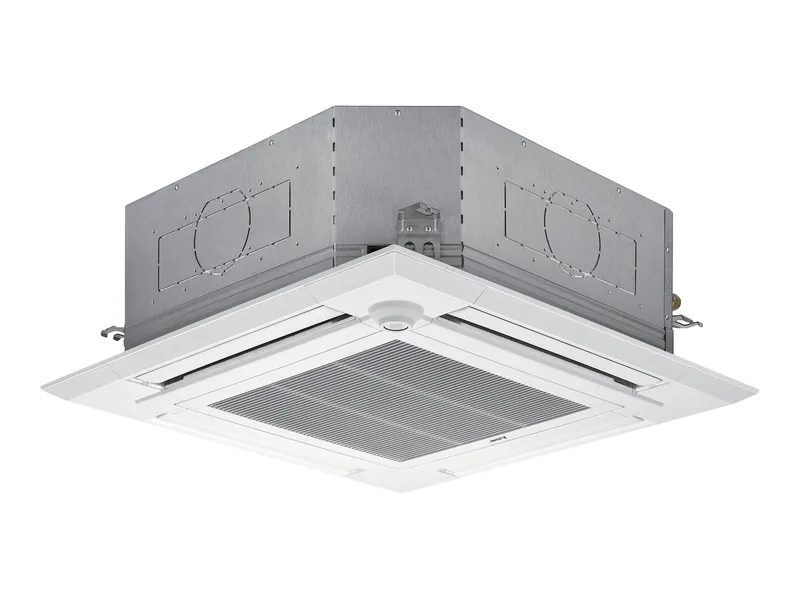 Image: Mitsubishi Electric
 Mitsubishi Electric PLA Cassette
Ceiling cassette · 7.1 to 13.5 kW · 53 models
Est. installed $3,500–$7,000
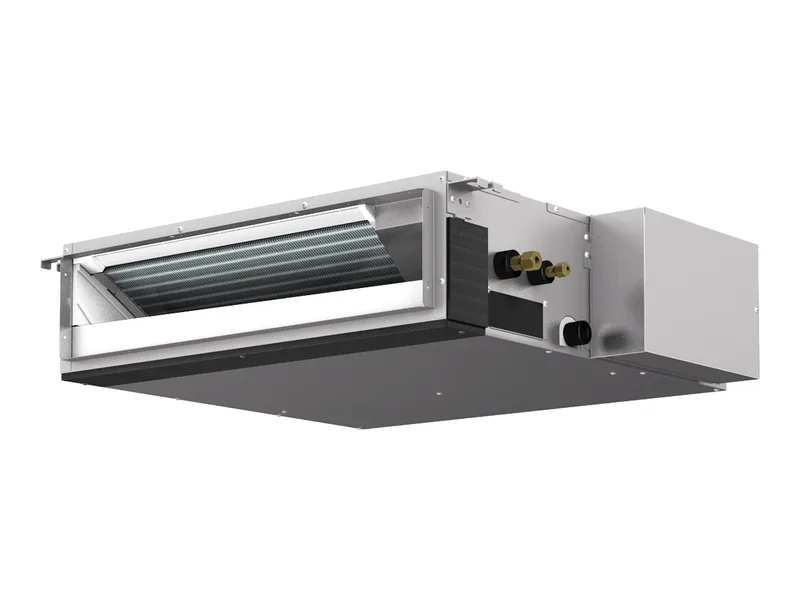 Image: Mitsubishi Electric
 Mitsubishi Electric SEZ-M Bulkhead
Ducted · 2.5 to 7.1 kW · 50 models
Est. installed $6,500–$10,500
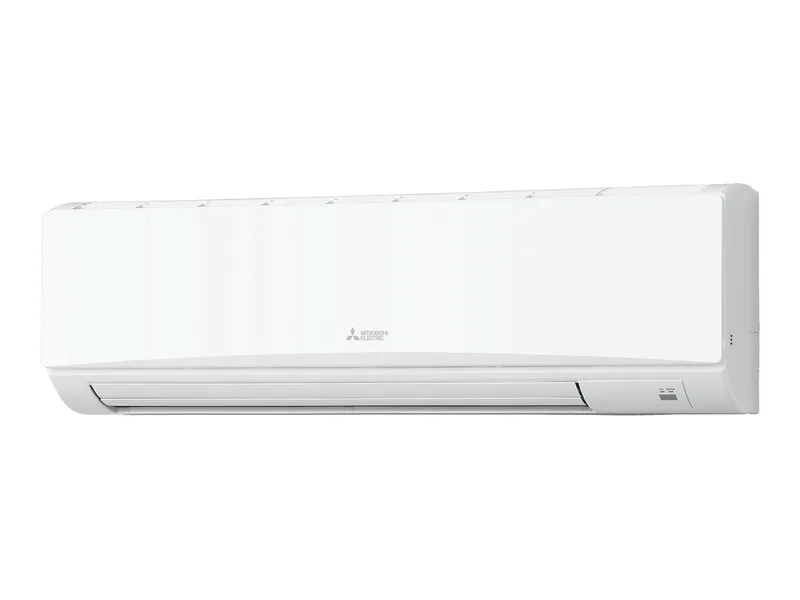 Image: Mitsubishi Electric
 Mitsubishi Electric PKA Wall Mounted
Wall split · 7.1 to 10 kW · 36 models
Est. installed $2,600–$4,800
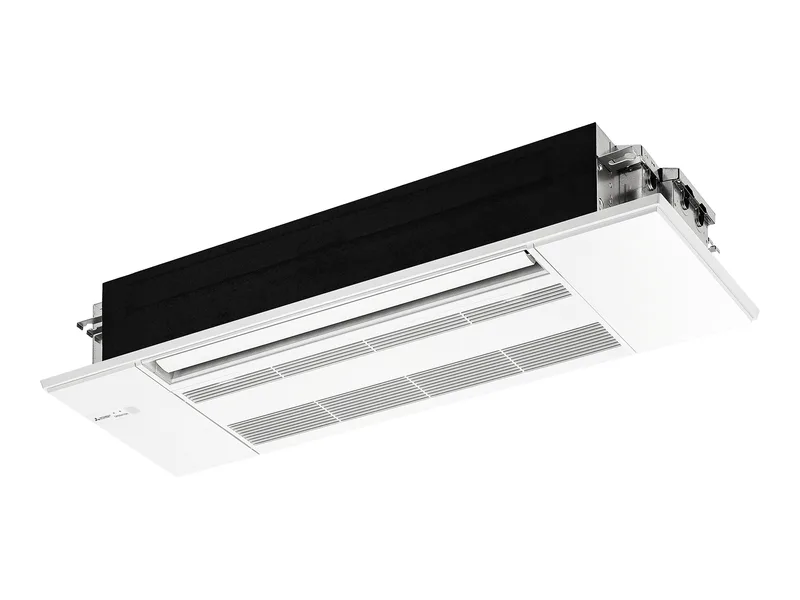 Image: Mitsubishi Electric
 Mitsubishi Electric MLZ-KP Cassette
Ceiling cassette · 2.5 to 5 kW · 24 models
Est. installed $3,500–$7,000
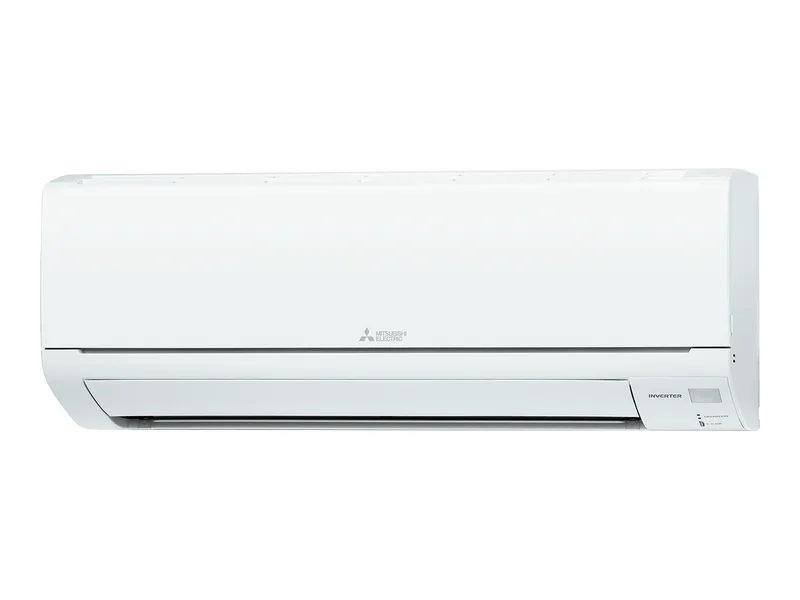 Image: Mitsubishi Electric
 Mitsubishi Electric GS Series
Wall split · 2.5 to 7.9 kW · 22 models
Est. installed $1,500–$4,300
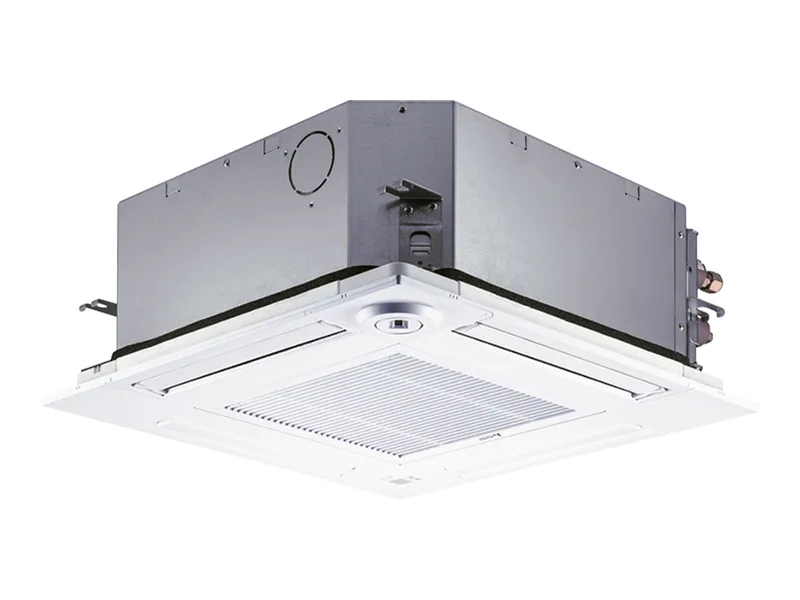 Image: Mitsubishi Electric
 Mitsubishi Electric SLZ-M Cassette
Ceiling cassette · 2.5 to 5.6 kW · 19 models
Est. installed $3,500–$7,000
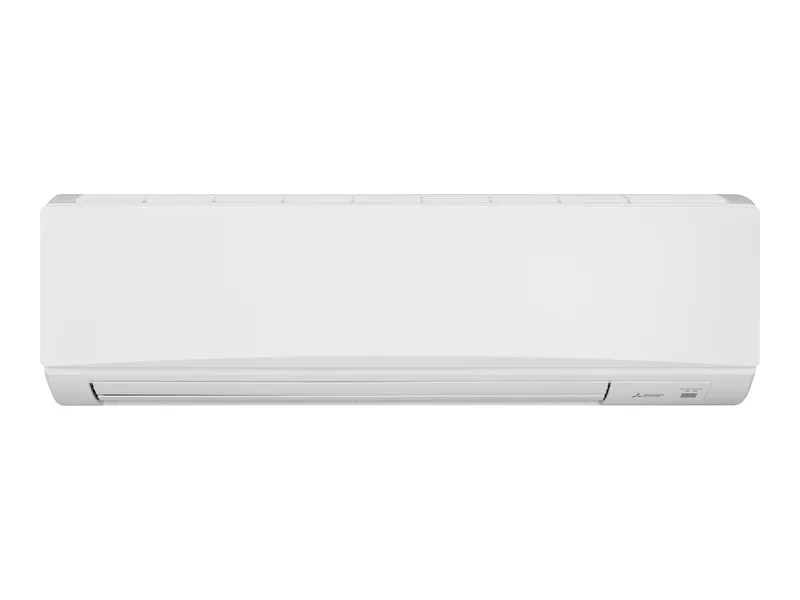 Image: Mitsubishi Electric
 Mitsubishi Electric AS90
Wall split · 9 kW · 4 models
Est. installed $3,400–$4,800
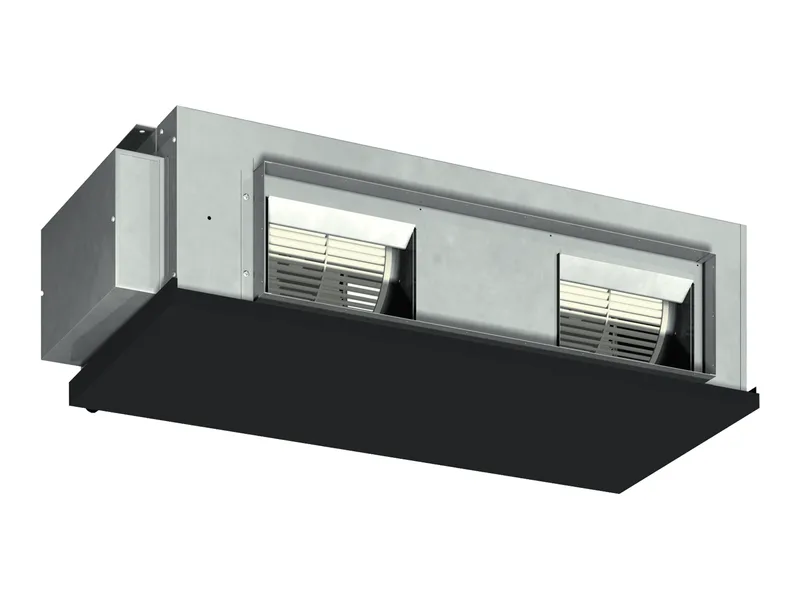 Image: Mitsubishi Electric
 Mitsubishi Electric PEA Ducted
Ducted · 10 to 24.5 kW · 76 models
Est. installed $8,000–$20,000
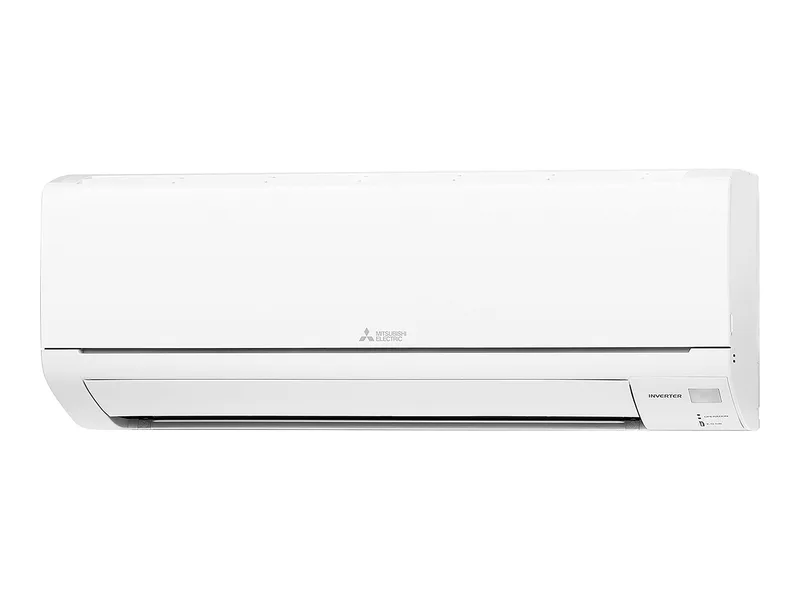 Image: Mitsubishi Electric
 Mitsubishi Electric GW Cooling Only
Wall split · 2.5 to 8 kW · 35 models
Est. installed $1,500–$4,300
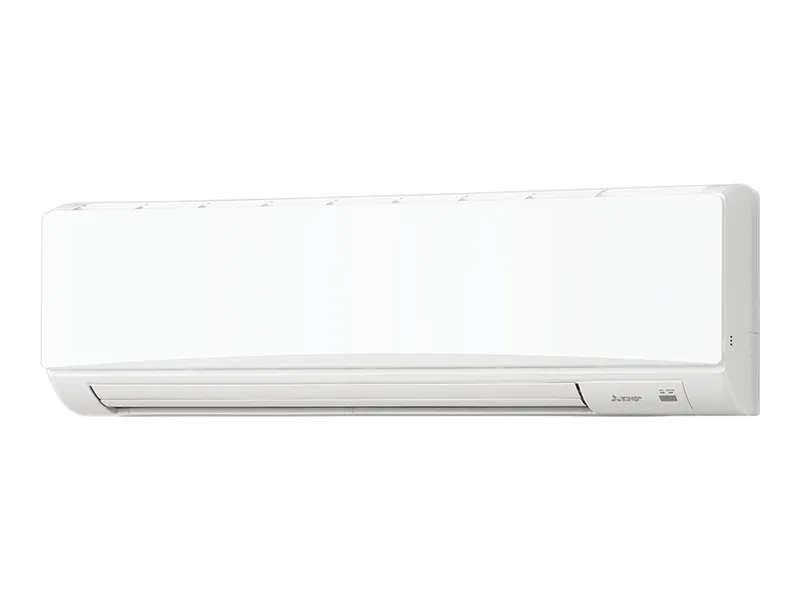 Image: Mitsubishi Electric
 Mitsubishi Electric GY90 Cooling Only
Wall split · 9 kW · 5 models
Est. installed $3,400–$4,800
Mitsubishi Electric is the other name installers say without hedging. The reliability record over the last two decades in Australian conditions is excellent, warranty service is organised, and the units are quiet in a way you notice at 2am in summer.
First, clear the confusion: Mitsubishi Electric and Mitsubishi Heavy Industries are separate companies that share a heritage name. Both sell good air conditioners in Australia. Electric is the bigger brand here with the wider dealer network; Heavy Industries often undercuts it on price. We compare them properly in the head-to-head.
A typical Mitsubishi Electric bedroom split installs around $1,800 to $2,400 in 2026 on a standard install, and a 7.1 kW living-room unit around $2,600 to $3,600. That is often fifty to two hundred dollars under the equivalent Daikin quote, though it swings by installer and stock.
The range logic is simple: the entry series does the job in a rental or a spare room, the mid series is the sweet spot for living areas, and the flagship buys you the very low noise floor and better cold-weather heating for alpine and Canberra winters.
If you are choosing between this and Daikin, stop agonising. Get both quoted by an installer who carries both, and let the sized, itemised numbers decide. Both will still be running when the fridge has been replaced twice.
Every current model
762 Mitsubishi Electric models on the Energy Rating register
Compared on size, star ratings and noise, with typical installed prices.
Mitsubishi Electric split system range guide for 2026
Mitsubishi Electric names its wall splits by model prefix rather than marketing names, which is why quotes look like alphabet soup. MSZ means a reverse cycle wall unit; MSY means cooling only. The two letters after it are the series.
| Series | Capacities listed | Where it sits |
|---|---|---|
| MSZ-AP Mini | 2.0 kW | Compact unit for small bedrooms and studies |
| MSZ-AP | 2.5 to 7.8 kW | The mainstream series most bedroom and living-room quotes use |
| MSZ-GS | 2.5 to 7.8 kW | Mid-range alternative to the AP, often seen in retail packages |
| MSZ-EF | 2.5 to 5.0 kW | Slimline design series for rooms where looks matter |
| MSZ-LN | 2.5 to 6.0 kW | Flagship. Built-in Wi-Fi and the 3D i-See sensor |
| MSZ-AS90 | 9.0 kW | Large living areas |
| MSY-GW and MSY-GY90 | 2.5 to 9.0 kW | Cooling only, for hot-climate homes that never heat |
For most homes the MSZ-AP is the honest answer. The LN is worth it in a main bedroom or living room if you will use the presence sensing, and the EF is for people who want the wall unit to look like furniture. Size the room with our calculator before you choose, because an oversized flagship is still the wrong buy. Our split system cost guide shows what each size usually costs installed, and up to three local quotes get the right series priced for your room.
Mitsubishi Electric ducted and multi-head systems
Mitsubishi Electric's residential ducted range is built around the PEAD and PEA series, covering roughly 5 kW to 24.5 kW. Its Zone Controller splits a home into up to 4 or 8 zones, with an optional Wi-Fi adaptor for app control. A single-storey three-bedroom install typically costs $9,000 to $16,000; two storeys or a tight roof push it towards $13,000 to $20,000 or more. See the ducted cost guide for the detail.
For multi-head, the MXZ outdoor units run from 5.2 kW with two indoor heads up to 12 kW with six. Larger homes can use the PUMY series, which pairs with a wide range of indoor unit styles. A two-head multi usually costs $4,500 to $7,500 installed and a four-head $8,000 to $12,000. If you can't decide between ducted and multi-head, ask for a quote and have the installer price both.
Mitsubishi air conditioner symbols and remote functions
"Mitsubishi air conditioner symbols" is one of the most-searched aircon questions in Australia, mostly from people standing in front of a remote with the manual long gone. The core mode icons are standard: snowflake for cool, sun for heat, water drop for dry, fan for fan-only, and auto. Our modes and symbols guide explains each one.
The Mitsubishi Electric buttons that confuse people, per the operating instructions for the current MSZ-LN, are these:
- ECONO COOL: a cooling mode that swings the airflow over you so the room feels cooler at a higher set temperature. It saves power without much comfort penalty.
- i-see: switches on the sensor that reads the room and the people in it, and adjusts the temperature and airflow to suit.
- i-save: stores a preferred setting you can recall with one press. It is often used as a setback while you are out.
- NIGHT MODE: dims the unit's lights and lowers operating sound for sleeping.
- Weekly timer: sets on, off and temperature changes across the week.
Older remotes and the AP series carry a smaller set of these. If a button is missing from your remote, your model does not have that function.
Mitsubishi Electric error codes and flashing lights
On Mitsubishi Electric wall splits, a fault usually shows first as a blinking operation indicator lamp on the indoor unit. The MSZ-LN operating instructions tell owners to stop using the unit and contact their dealer when that lamp blinks, when water drips from the indoor unit or when the breaker trips repeatedly. Reading the specific fault code is a service technician's job on most models, so we don't list codes here.
Before you book a call-out, try the checks in the manual's troubleshooting table. Make sure the batteries in the remote are in the right way round. Remember that some delays are normal: in heating, the unit pauses its fan until the coil is warm. Operating instructions are available by model number from the Guides and Manuals section of Mitsubishi Electric's Australian support page.
If your Mitsubishi is more than 10 to 12 years old, or keeps throwing the same fault after a reset, repair money is often better spent on a replacement. A new bedroom split costs about $1,500 to $2,500 installed in 2026 and a 7 kW living-room unit $2,600 to $3,900, on a standard install. Our split system cost guide shows what the price includes. A licensed local installer can tell you whether the old unit is worth fixing, and up to three local quotes put the replacement price in writing.
Mitsubishi Electric warranty and service in Australia
Mitsubishi Electric Australia gives a 5-year parts and labour warranty on residential air conditioning, covering both the indoor and outdoor unit against manufacturing defects. Replacement parts are covered for 12 months from installation or the rest of the original warranty, whichever is longer. Warranty cards are downloadable from its support page, and the Australian Consumer Law guarantees apply on top.
Service coverage is strong in every capital and most regional centres. Keep the invoice and model numbers, and use an ARCtick-licensed installer with a licensed electrician. Faulty installation is a standard exclusion on every brand's warranty. Our quote checklist lists what to get in writing.
Sources
Where it earns the money
- Build quality and reliability record right beside Daikin's
- Strong quiet-mode figures across the range, not just the flagship
- Wi-Fi and app control on most current models
- Five-year warranty, wide service coverage
Watch-outs before you sign
- Constantly confused with Mitsubishi Heavy Industries, a different company entirely
- Flagship pricing lands at Daikin level, so shop the specific model not the badge
Our verdict
Toss a coin with Daikin and you will not lose either way. When the Mitsubishi Electric quote comes in cheaper for the same capacity, take it.
Whatever the badge, sizing and install quality decide how it feels to live with. Check your postcode's rebate and get quotes from up to three licensed local installers to compare.
FAQ
Mitsubishi Electric questions
Is Mitsubishi Electric the same as Mitsubishi Heavy Industries?
No. They are separate companies that share the Mitsubishi name, with separate Australian distributors, ranges and warranty networks. Both are well regarded; Heavy Industries often quotes a little cheaper. See our Mitsubishi Heavy Industries vs Mitsubishi Electric comparison.
Is Daikin better than Mitsubishi Electric?
Not in any way that should decide your purchase. Both have excellent Australian reliability records and 5-year warranties. Compare sized, itemised quotes for the same capacity and take the better installer. Our Daikin vs Mitsubishi Electric page goes through the differences.
What do the symbols on a Mitsubishi air conditioner remote mean?
Snowflake is cool, sun is heat, water drop is dry, fan is fan-only and auto picks the mode itself. Mitsubishi Electric adds ECONO COOL, i-see, i-save and NIGHT MODE on current models. Our modes and symbols guide explains them in plain English.
How do I set my Mitsubishi Electric split system to heat mode?
Press the mode button until the sun symbol shows, then set the temperature. In heat mode the indoor fan may take a few minutes to start while the coil warms up, which is normal. For winter, 18 to 21 degrees is a sensible setting.
Why is the light flashing on my Mitsubishi air conditioner?
A blinking operation indicator lamp usually means the unit has detected a fault. Mitsubishi Electric's operating instructions say to stop using it and contact your dealer. Switching it off at the isolator for a few minutes can clear a one-off glitch; if the blinking returns, book a service.
How long does a Mitsubishi Electric air conditioner last?
A well-installed and regularly cleaned Mitsubishi Electric split commonly runs 10 to 15 years or more. The 5-year parts and labour warranty covers the first stretch. Salt air, a cramped outdoor unit and dirty filters are what shorten life.
Head-to-heads with Mitsubishi Electric
- Daikin vs Mitsubishi Electric Australia's two safest badges, compared without a salesperson leaning on the scale.
- Mitsubishi Heavy Industries vs Mitsubishi Electric Two different companies share the name. Here is the difference, and which to buy.
- Mitsubishi Electric vs Fujitsu Two premium Japanese badges, the same five-year warranty, and usually a hundred dollars between them.
Other brands Australians check
 Daikin
  Fujitsu
  Mitsubishi Heavy Industries
  Panasonic
  Gree
Gree  Midea
Midea Brand names and logos are trademarks of their owners, shown to identify the brands we compare. We are independent and not affiliated with any manufacturer.

Get quotes for your air con
Free and takes about two minutes. Check your rebate, then up to three licensed local installers quote the job.
Compare 3 quotes