
Panasonic
238
current models on sale in Australia

Split, installed (estimate)
$1,700 – $4,200
Estimated 2026 range; your quote confirms it
Warranty
5 years
Parts and labour on splits, per the manufacturer. Conditions apply
Best for
Value hunters who still want a Japanese badge and real warranty support.
Panasonic ranges
Every Panasonic range on sale in Australia, with the sizes available and the estimated installed price. Open one to compare its models.
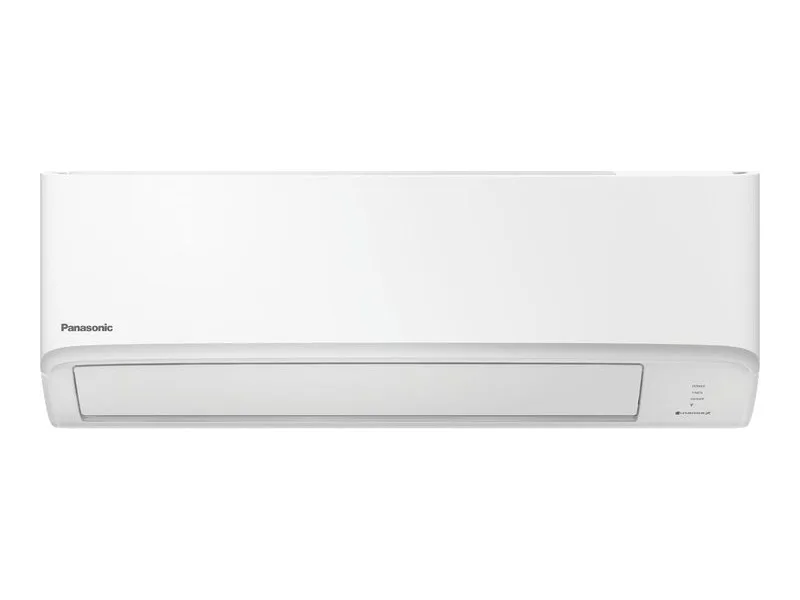 Image: Panasonic
 Panasonic Z Series
Wall split · 2 to 9.5 kW · 27 models
Est. installed $1,400–$4,800
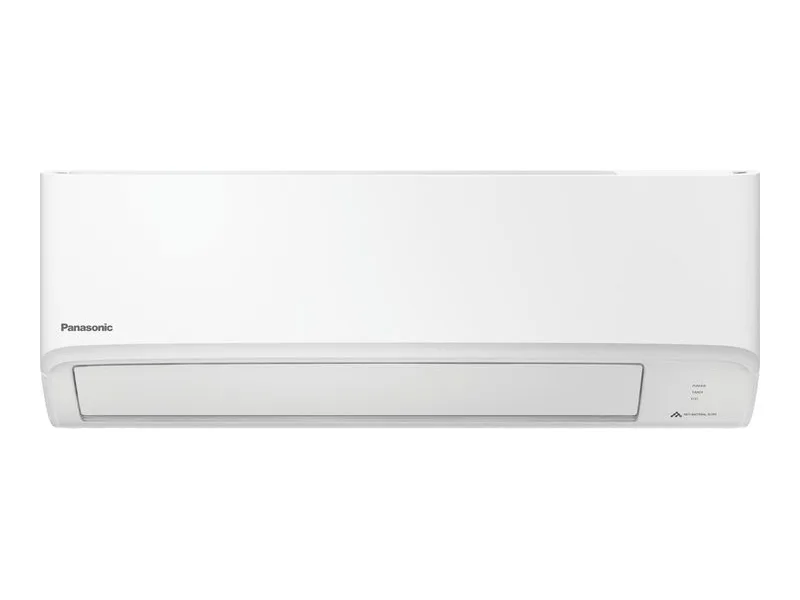 Image: Panasonic
 Panasonic RZ Series
Wall split · 2.5 to 9.5 kW · 19 models
Est. installed $1,500–$4,800
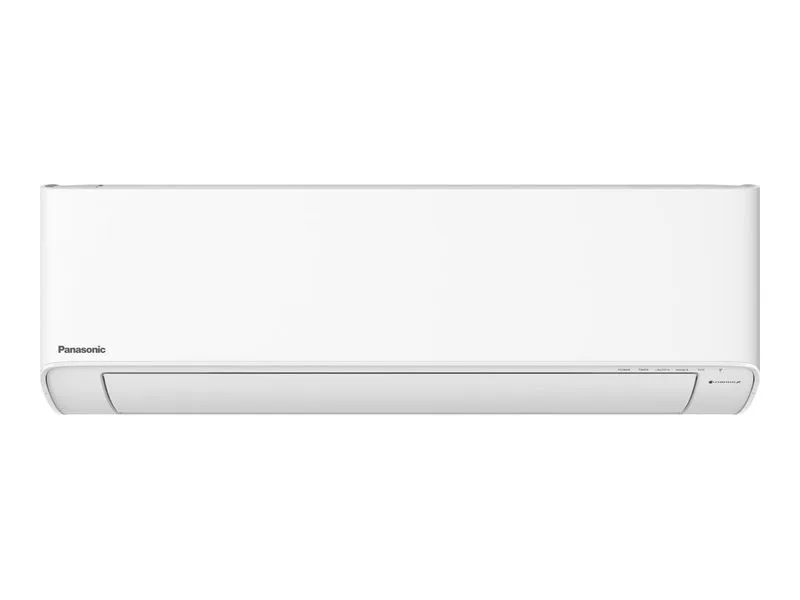 Image: Panasonic
 Panasonic HZ Series
Wall split · 2.5 to 8 kW · 10 models
Est. installed $1,500–$4,300
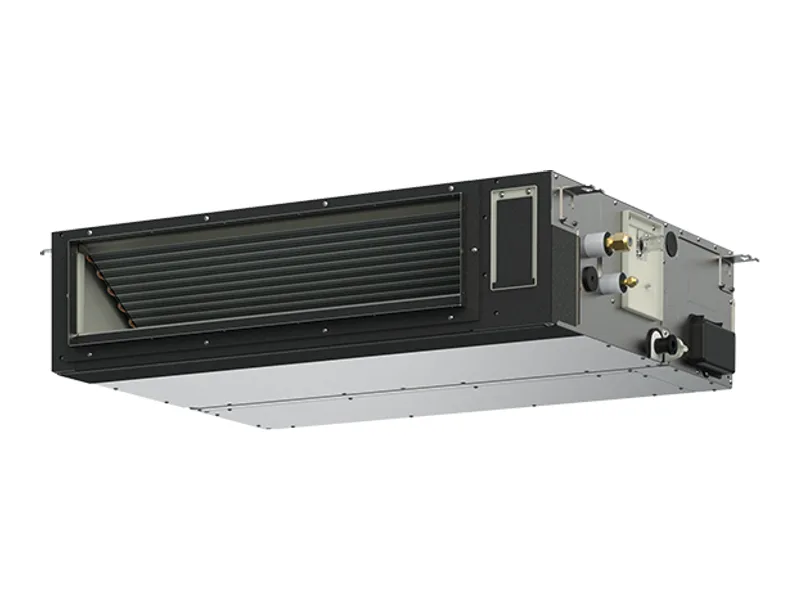 Image: Panasonic
 Panasonic NX Adaptive Ducted
Ducted · 3.4 to 13.4 kW · 25 models
Est. installed $6,500–$15,000
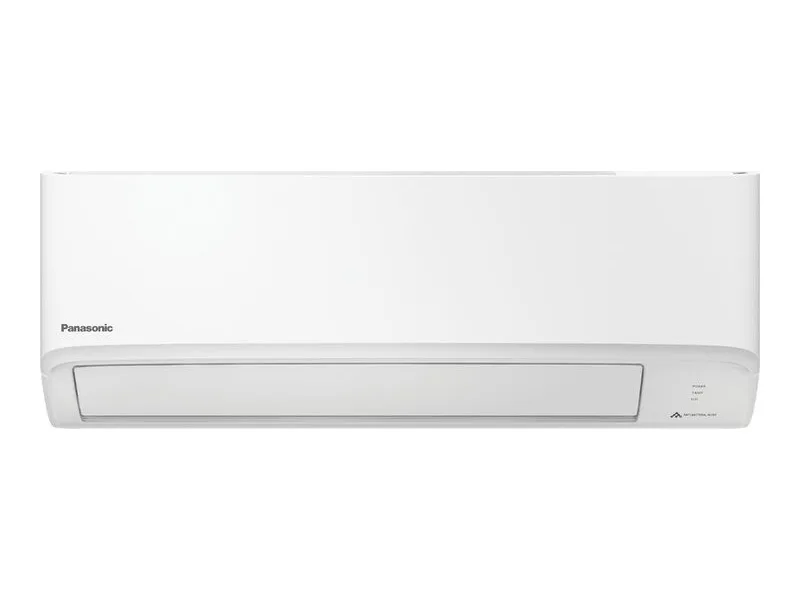 Image: Panasonic
 Panasonic U Series Cooling Only
Wall split · 2.5 to 8 kW · 10 models
Est. installed $1,500–$4,300
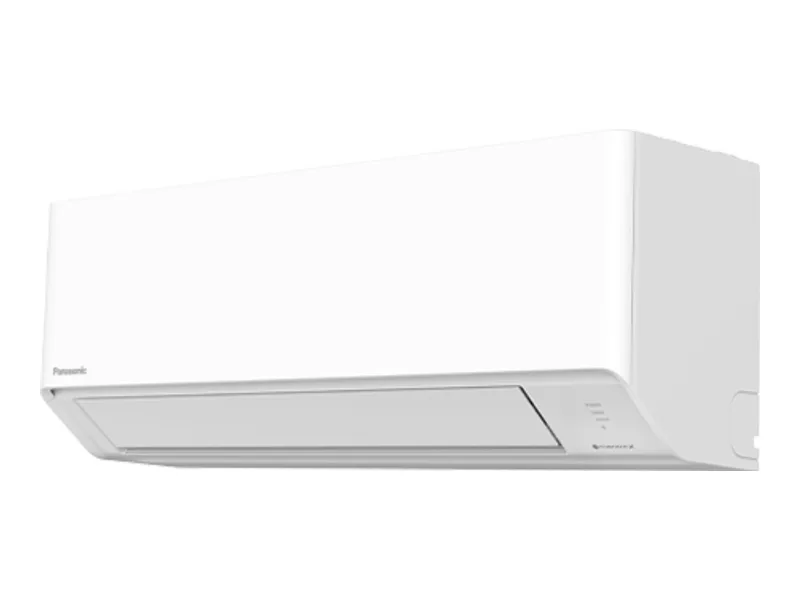 Image: Panasonic
 Panasonic NX Wall Mounted
Wall split · 2.5 to 9.5 kW · 9 models
Est. installed $1,500–$4,800
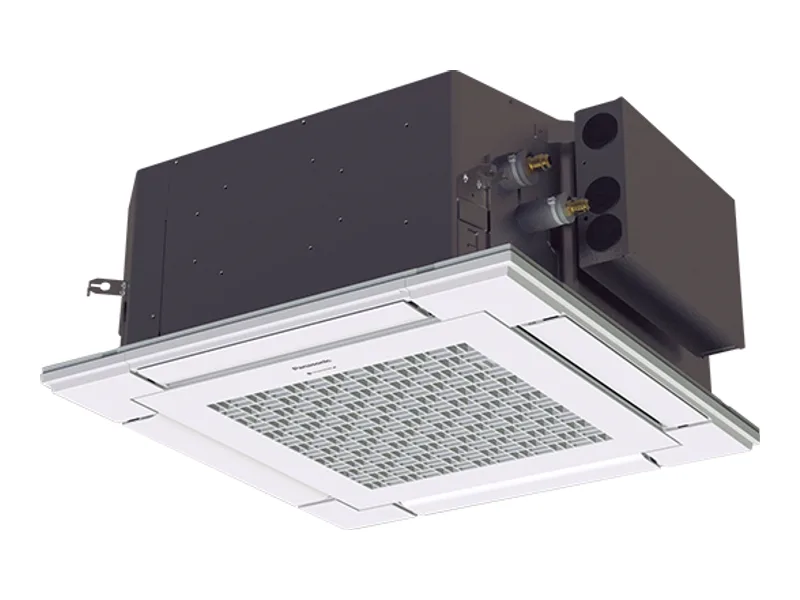 Image: Panasonic
 Panasonic NX Mini Cassette
Ceiling cassette · 2.5 to 6 kW · 5 models
Est. installed $3,500–$7,000
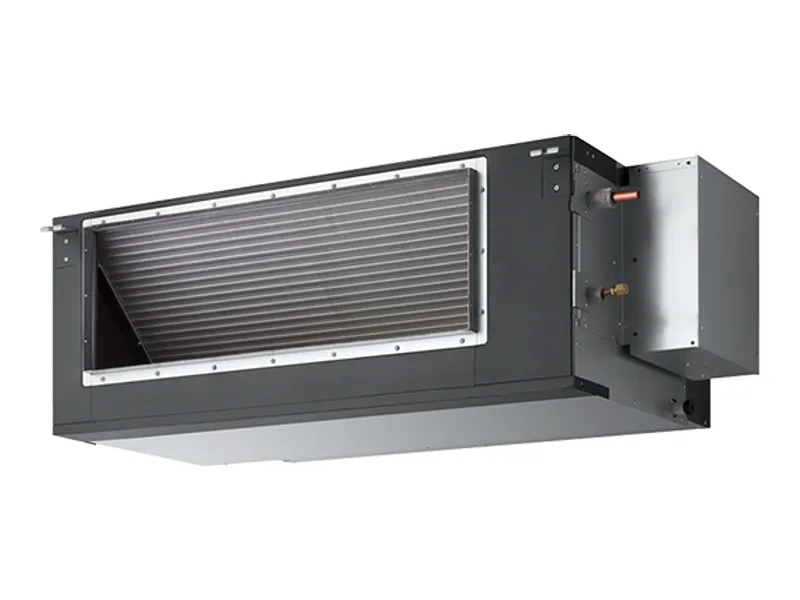 Image: Panasonic
 Panasonic NX Splittable Ducted
Ducted · 6 to 22.4 kW · 61 models
Est. installed $6,500–$20,000
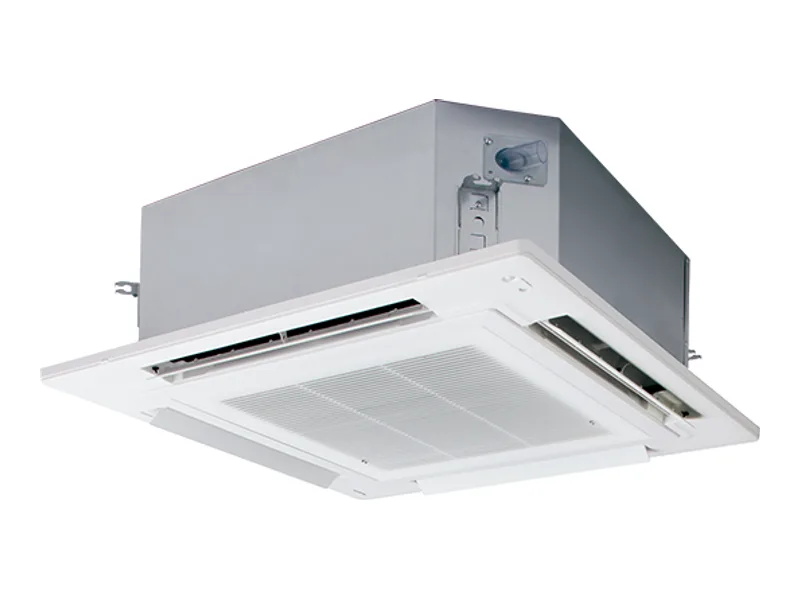 Image: Panasonic
 Panasonic NX 4-Way Cassette
Ceiling cassette · 6 to 14 kW · 23 models
Est. installed $3,500–$7,000
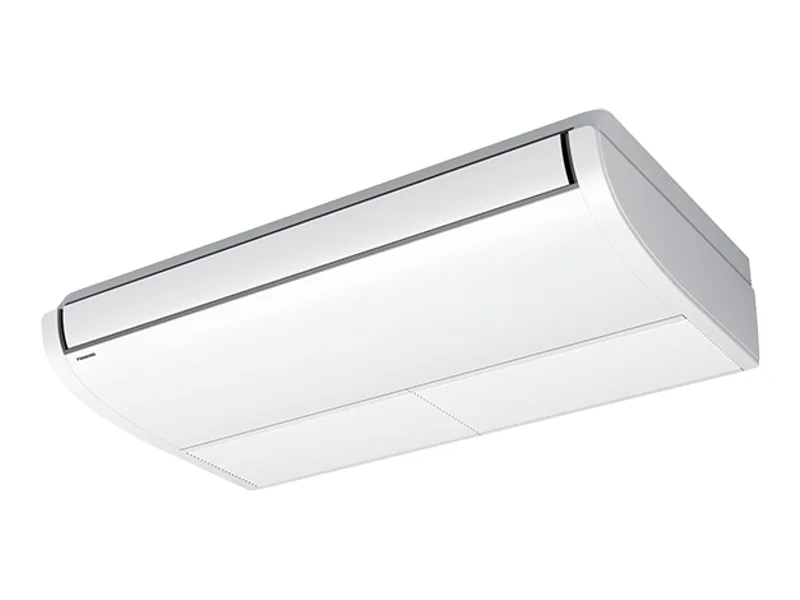 Image: Panasonic
 Panasonic NX Under Ceiling
Floor/ceiling console · 6 to 13.6 kW · 23 models
Est. installed $2,800–$4,800
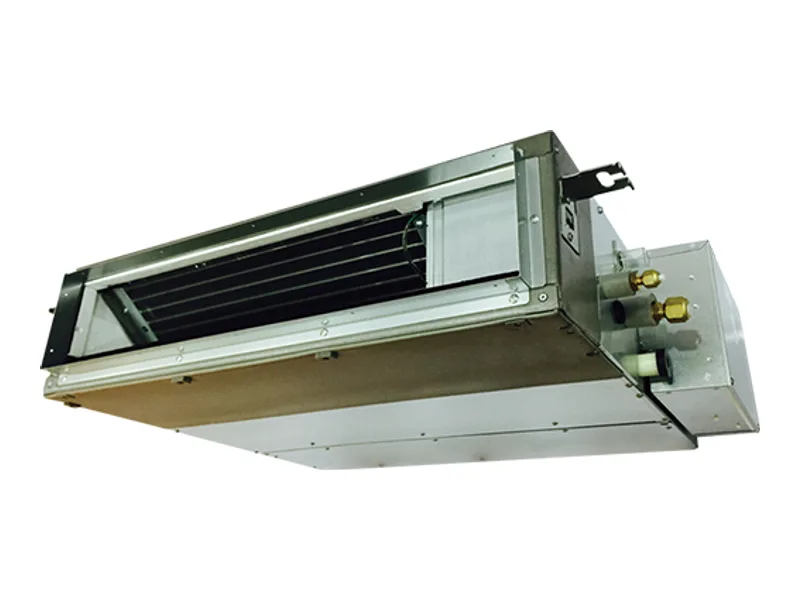 Image: Panasonic
 Panasonic Ultra Slim Ducted
Ducted · 2.6 to 5.6 kW · 4 models
Est. installed $6,500–$10,500
Panasonic sits in an easy spot: real Japanese engineering, a household name, and pricing that undercuts Daikin, Mitsubishi Electric and Fujitsu by enough to notice.
A typical bedroom split installs around $1,700 to $2,300 in 2026 on a standard install, with 7.1 kW living-area units around $2,600 to $3,600. That is consistently one price step under the premium tier for comparable capacity.
The current ranges carry Panasonic's air-purification system, which actual allergy households report liking, and heating figures that hold up well in Melbourne and Canberra winters.
What you give up against the big three is mostly network depth. In the capitals, service and warranty are routine. In smaller towns, ask who handles Panasonic warranty locally before signing, the same check we recommend for Mitsubishi Heavy Industries.
If the quote gap between a Panasonic and a premium badge is real money, and the installer stands behind both, the Panasonic is the rational buy. Spend the difference on a better install: a tidy pipe run and a correctly placed outdoor unit matter more than the logo.
Every current model
238 Panasonic models on the Energy Rating register
Compared on size, star ratings and noise, with typical installed prices.
Panasonic split system range guide for 2026
Panasonic Australia sorts its wall splits into four series and labels them itself, which makes quotes easier to read than most brands'.
| Series | Cooling capacity listed | Panasonic's label | What you get |
|---|---|---|---|
| RZ (AKR) | 2.5 to 9.5 kW | Standard reverse cycle | Anti-bacterial filter, Powerful mode, Wi-Fi optional via adaptor |
| Z (AKR) | 2.5 to 9.5 kW | Premium reverse cycle | nanoe X air purification, built-in Wi-Fi, iAUTO-X fast cooling |
| HZ (YKR) | 2.5 to 8.0 kW | Ultra premium reverse cycle | nanoe X Mark 2, humidity control, built-in Wi-Fi |
| U (AKR) | 2.5 to 8.0 kW | Cooling only | For homes that never need heating |
For a bedroom, the RZ does the job. The Z is the sweet spot for a living room or an allergy household, because nanoe X and built-in Wi-Fi come standard. The HZ is for people who want humidity control and will pay for it. Size first with the calculator, then check the price against our split system cost guide. When you're ready, get a Panasonic quoted by up to three licensed local installers.
Panasonic ducted and multi-split in Australia
Panasonic's ducted units are listed with its packaged air conditioners rather than as a separate home range. There are three families: the Ultra Slim Ducted (2.6 to 5.6 kW, 200 mm high for tight ceilings), the Adaptive Ducted (3.4 to 13.4 kW) and the Splittable Ducted (6.0 to 22.4 kW). Panasonic's Smart Zone Controller is listed as handling up to 8 zones. Ducted is less of a Panasonic specialty than Daikin or ActronAir, so fewer installers quote it; see our ducted cost guide for typical pricing.
The Multi Split Z system connects up to five indoor units to one outdoor unit, with outdoor capacities from 5.2 to 10 kW. Indoor options include Z and RZ wall units, the Ultra Slim Ducted, a mini cassette and a floor console. Expect $4,500 to $7,500 installed for a two-head system. Three local quotes will show whether multi-split or two separate splits is cheaper for your layout.
Panasonic air con remote: symbols and special functions
Most Panasonic remote questions come from owners decoding buttons on a unit they already have. The mode icons are standard; our modes and symbols guide covers them. The Panasonic-specific ones on current models are these:
- nanoe X: switches on Panasonic's air-purification generator on the models that have it.
- iAUTO-X: a fast-cooling mode on the Z series that runs harder at the start to pull a hot room down quickly.
- POWERFUL: a short full-output burst, available on the RZ.
- ECO mode with A.I. control: adjusts output to what the room needs to cut running cost.
- AEROWINGS: the twin louvres that direct airflow. The remote lets you aim them at or away from people.
Panasonic error codes: how to check them
When a Panasonic split stops and the TIMER lamp on the indoor unit blinks, the unit has stored a fault code. Panasonic's operating instructions describe how to read it on the remote. Hold the check button for five seconds, press until the unit beeps, then write down the code shown and give it to an authorised dealer. Codes start with H (mostly sensors, fans and communication) or F (protection trips).
| Code | What Panasonic says it means |
|---|---|
| H11 | Indoor and outdoor units not communicating |
| H19 | Indoor fan motor locked |
| H97 | Outdoor fan motor locked |
| H99 | Indoor unit freeze protection |
| F97 | Compressor overheating protection |
A single code after a blackout is often cleared by switching off at the isolator for a few minutes. Anything that comes back, and anything involving refrigerant or the compressor, needs an authorised Panasonic service centre, especially while the unit is in warranty.
If your Panasonic is more than 10 to 12 years old, or keeps throwing the same fault after a reset, repair money is often better spent on a replacement. A new bedroom split costs about $1,500 to $2,500 installed in 2026 and a 7 kW living-room unit $2,600 to $3,900, on a standard install. Our split system cost guide shows what the price includes. A licensed local installer can tell you whether the old unit is worth fixing, and up to three local quotes put the replacement price in writing.
Panasonic warranty and service in Australia
Panasonic's air conditioner warranty is 5 years from the date of purchase, covering parts and labour. Its conditions are stricter than some rivals'. The unit must be bought in Australia from Panasonic Australia or an authorised dealer, and installed by a licensed tradesperson. Warranty service must be done by a Panasonic Authorised Service Centre with proof of purchase. Claims go through Panasonic's 132 600 line.
That authorised-centre rule is why the regional service question matters more for Panasonic than for Daikin or Fujitsu. Before you sign, ask the installer where the nearest authorised centre is. Keep the invoice, and check the installer's ARCtick licence. Our Daikin vs Panasonic comparison weighs the price gap against the service gap.
Sources
Where it earns the money
- Japanese engineering heritage at mid-tier prices
- Air-purification features on current ranges are genuinely useful for allergy households
- Good heating performance in the popular sizes
- Five-year warranty standard
Watch-outs before you sign
- Dealer network is thinner than the big three — service is fine in cities, check regionally
- Less common in ducted, so quotes skew to splits and multi-head
Our verdict
The strongest value bridge between the budget tier and the big three. A correctly sized Panasonic split is a quiet, safe buy.
Whatever the badge, sizing and install quality decide how it feels to live with. Check your postcode's rebate and get quotes from up to three licensed local installers to compare.
FAQ
Panasonic questions
Are Panasonic split systems any good?
Yes. Panasonic splits are well-engineered, efficient and quiet, and they typically quote a step under Daikin and Mitsubishi Electric for the same size. The Z series with nanoe X is a strong pick for allergy households. Check local authorised service before you buy in a regional area.
Which is better, Daikin or Panasonic?
Daikin has the deeper specialist dealer network and a slight edge at the premium end; Panasonic is usually a few hundred dollars cheaper for similar capacity and quality. Both have 5-year warranties. See our Daikin vs Panasonic comparison.
How do I check a Panasonic air conditioner error code?
When the TIMER lamp blinks, hold the remote's check button for five seconds and press until it beeps; the remote shows the code, such as H11 or F97. Note it down and give it to an authorised Panasonic service centre. Codes vary by model, so use your model's manual.
What is nanoe X on a Panasonic air conditioner?
nanoe X is Panasonic's air-purification technology on the Z and HZ series and some ducted and floor units. Panasonic's nanoe X page sets out what it claims the technology does; treat it as a bonus, not a substitute for clean filters.
What is the life expectancy of a Panasonic air conditioner?
A Panasonic split that is installed well and cleaned regularly commonly lasts 10 to 15 years or more. The warranty covers 5 years of parts and labour. Coastal corrosion and a poorly ventilated outdoor unit are the usual life-shorteners.
What AC brands should you stay away from?
Avoid brands with no Australian service agent or parts supply, which usually means cheap online-only imports. Every major brand, including Panasonic, has an authorised service network; the question is how close it is to you. Ask before you buy.
Other brands Australians check
 Daikin
  Mitsubishi Electric
  Fujitsu
  Mitsubishi Heavy Industries
  Gree
Gree  Midea
Midea Brand names and logos are trademarks of their owners, shown to identify the brands we compare. We are independent and not affiliated with any manufacturer.

Get quotes for your air con
Free and takes about two minutes. Check your rebate, then up to three licensed local installers quote the job.
Compare 3 quotes