
Rinnai
62
current models on sale in Australia

Split, installed (estimate)
$1,600 – $3,800
Estimated 2026 range; your quote confirms it
Warranty
7 years
Parts and labour on splits, per the manufacturer. Conditions apply
Best for
Buyers replacing Rinnai gas heating who want one trusted name on the wall.
Rinnai ranges
Every Rinnai range on sale in Australia, with the sizes available and the estimated installed price. Open one to compare its models.
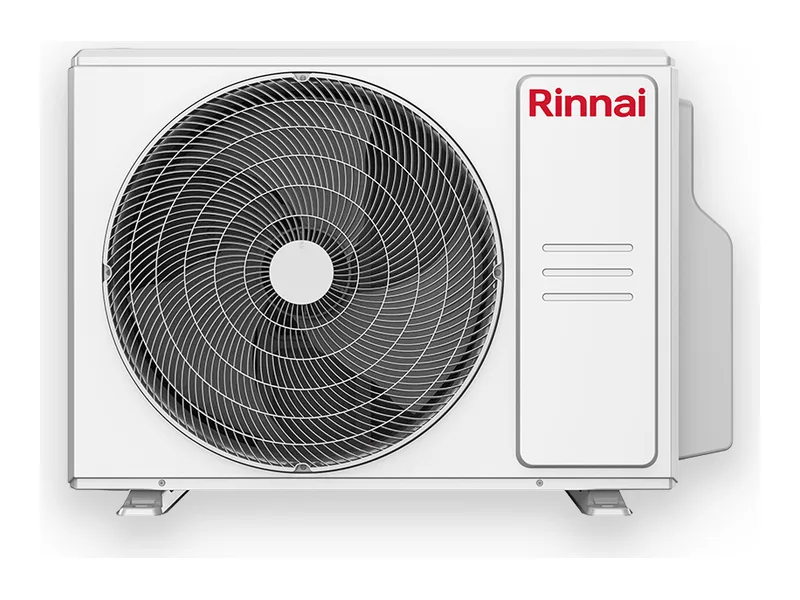 Image: Rinnai
 Rinnai Ducted
Ducted · 7 to 17 kW · 19 models
Est. installed $6,500–$17,000
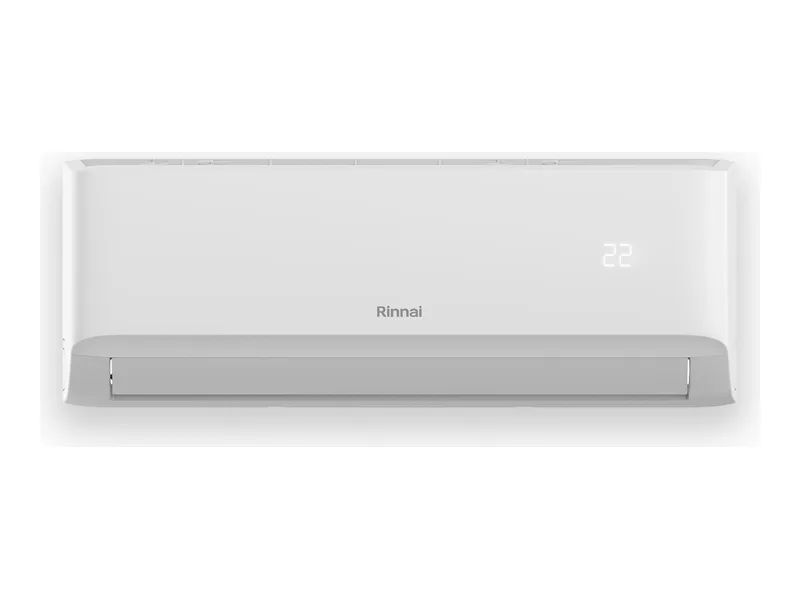 Image: Rinnai
 Rinnai PB Series
Wall split · 2.6 to 7.8 kW · 6 models
Est. installed $1,500–$4,300
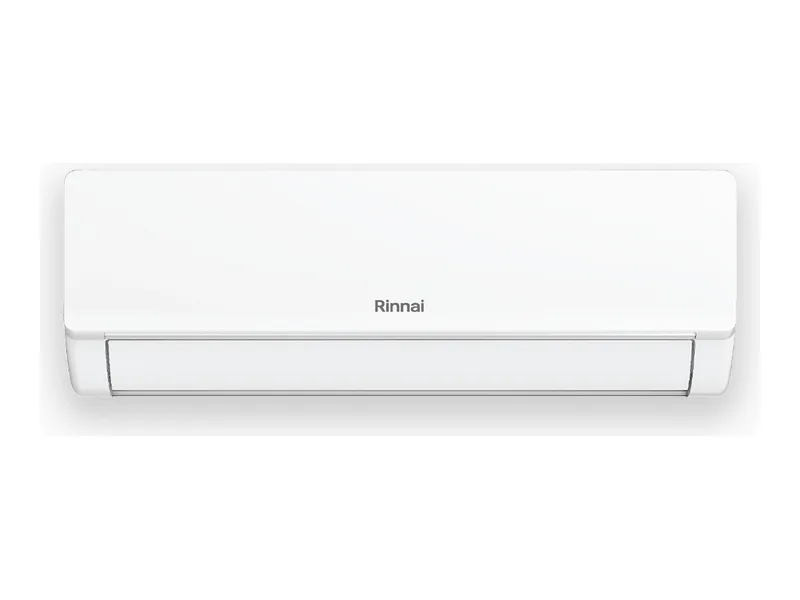 Image: Rinnai
 Rinnai PX Series
Wall split · 2.6 to 8 kW · 6 models
Est. installed $1,500–$4,300
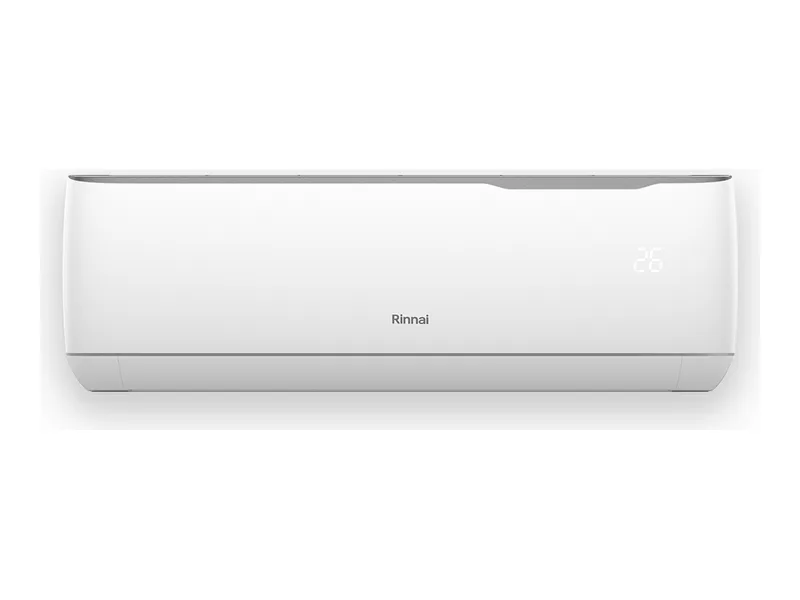 Image: Rinnai
 Rinnai T Series
Wall split · 2.6 to 7 kW · 4 models
Est. installed $1,500–$3,900
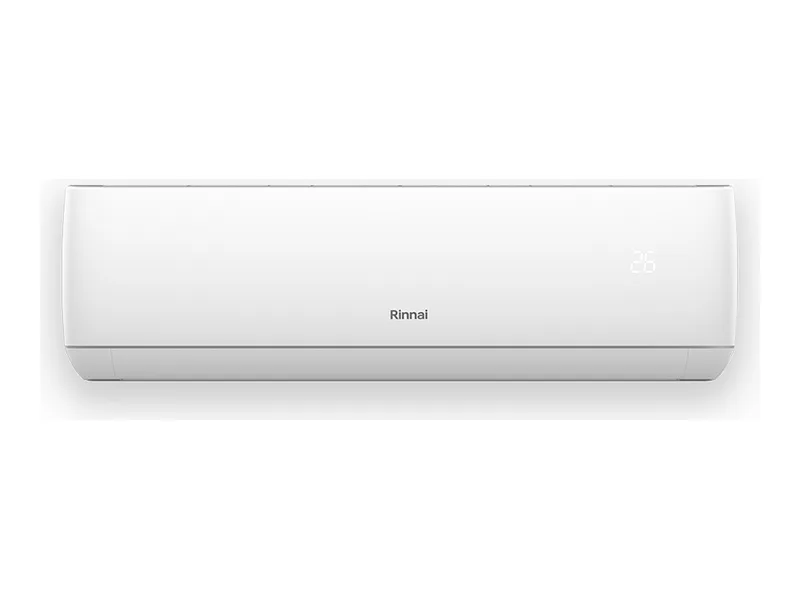 Image: Rinnai
 Rinnai J Series
Wall split · 2.6 to 8 kW · 5 models
Est. installed $1,500–$4,300
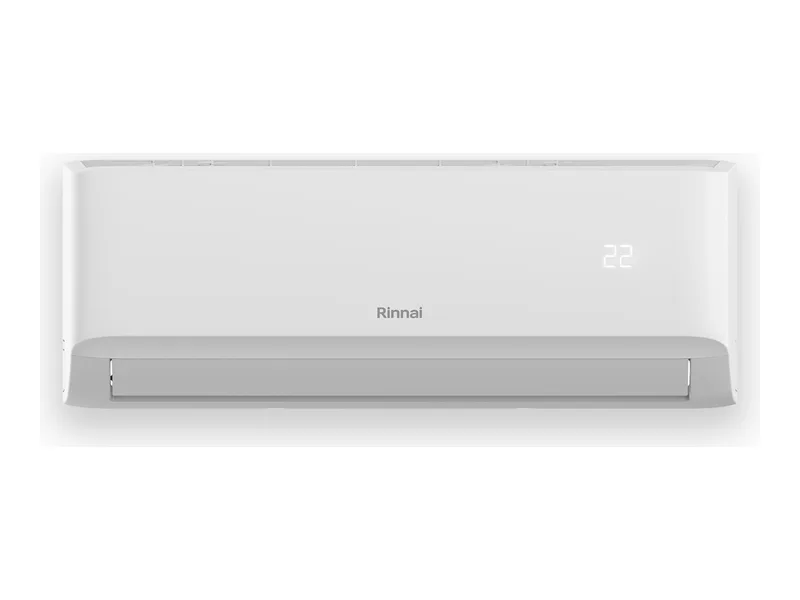 Image: Rinnai
 Rinnai TX Series
Wall split · 2.5 to 9 kW · 7 models
Est. installed $1,500–$4,800
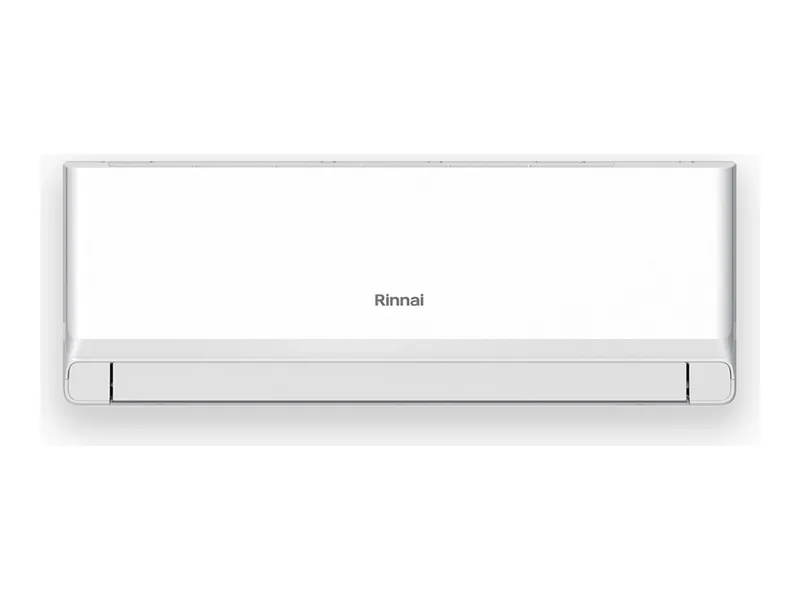 Image: Rinnai
 Rinnai JX Series
Wall split · 2.6 to 8 kW · 5 models
Est. installed $1,500–$4,300
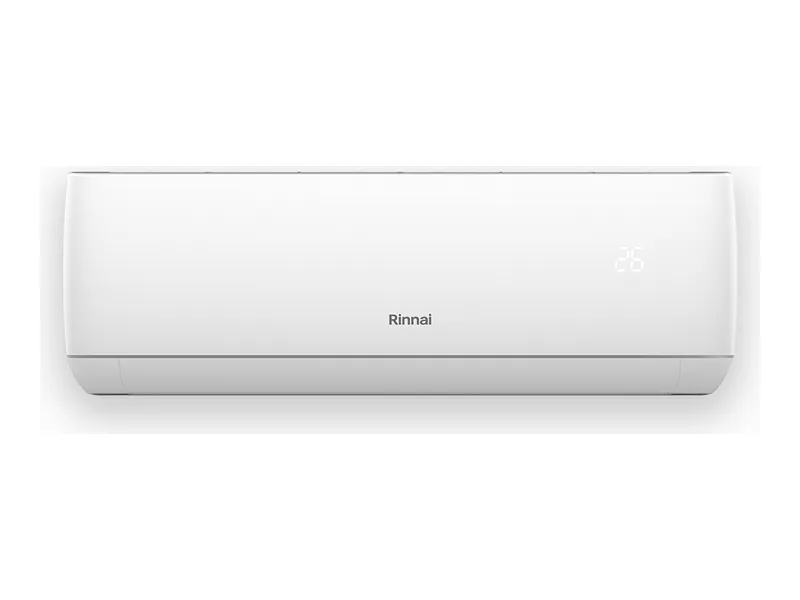 Image: Rinnai
 Rinnai CJ Cooling Only
Wall split · 2.6 to 7 kW · 5 models
Est. installed $1,500–$3,900
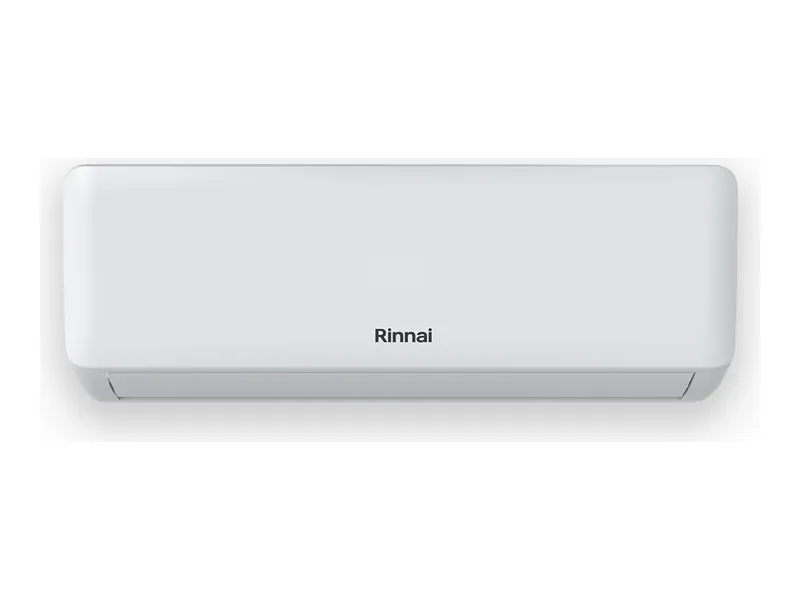 Image: Rinnai
 Rinnai VX Series
Wall split · 2.6 to 7 kW · 4 models
Est. installed $1,500–$3,900
Rinnai earned its place in Australian homes through gas heaters and hot water. The air conditioning range rides on that trust, and mostly deserves it: sensible splits at prices under the Japanese premium tier.
A typical Rinnai bedroom split installs around $1,600 to $2,100 in 2026 on a standard install. That undercuts the big Japanese badges by a clear step and lands beside Panasonic and the better value brands.
The honest read: as an air conditioning maker, Rinnai's local track record is shorter than the brands that have sold splits here for forty years. The units are fine. The service network is real. The decades-long reliability data the majors have simply does not exist yet for these ranges.
That is not a reason to avoid the brand. It is a reason to buy it at a price that respects the difference. If the Rinnai quote is only fifty dollars under a Mitsubishi Electric, take the Mitsubishi. If it is four hundred under, the Rinnai is honest value.
One genuinely strong use case: households replacing an old Rinnai gas ducted heater with reverse cycle in Victoria. The rebate does the heavy lifting, and keeping a brand the household already trusts makes the change easier to sell at the kitchen table.
Every current model
62 Rinnai models on the Energy Rating register
Compared on size, star ratings and noise, with typical installed prices.
Rinnai split system range guide for 2026
Rinnai's split range is wider than most people expect, and the series letters change often. That is why the existing advice stands: quote the exact model. Rinnai doesn't label its series entry or premium, so the table uses the energy ratings and features it lists.
| Series | Cooling capacity listed | What Rinnai highlights |
|---|---|---|
| PB | 2.6 to 8.0 kW | Up to 6.5 star cooling. The straightforward option |
| VX | 2.5 to 7.0 kW | Up to 6.5 star, Wi-Fi and voice control |
| TX | 2.5 to 9.0 kW | Wi-Fi and voice control, HEPA and cold-catalyst filter, self-clean |
| PX | 2.5 to 8.0 kW | Up to 7 star, ECO+ and Sleep Curve functions |
| T | 2.5 to 8.0 kW | Up to 9 star, Rinnai's high-efficiency range |
| J and JX | 2.5 to 8.0 kW | Up to 9 star, sold through a single retail chain |
| CJ and CJ1 | 2.5 to 7.0 kW | Cooling only, aimed at the NT, northern Queensland and WA |
Rinnai also lists a split cassette (7 to 14 kW) and a floor console. The high-star T and J ranges cost more up front but make sense in a room that runs most days. Run the numbers on our running cost calculator, then check the installed price against our split system cost guide.
Rinnai ducted and multi-split air conditioning
Rinnai's reverse cycle ducted system is sold as Ducted Air, in sizes from 7 kW to 24 kW. It controls up to 8 zones through the Rinnai Home Controller, an 8-inch touchscreen with wireless room sensors and Wi-Fi. That makes it a natural fit for Victorian homes swapping a Rinnai or Brivis gas ducted heater for reverse cycle, where the Victorian rebate can take a real bite out of the cost. Typical ducted pricing is $9,000 to $16,000 for a single-storey three-bedroom home; our ducted cost guide covers the rest. To price the swap properly, request a quote and ask for the rebate to be shown as a line item.
Rinnai's multi-split runs up to six rooms from one outdoor unit. Indoor options are wall units from 2.0 to 8.0 kW, slim and standard ducted, compact cassettes and a floor console. A two-head system typically costs $4,500 to $7,500 installed.
Rinnai air conditioner error codes and display symbols
Rinnai splits show faults as a code in the indoor unit's display window. Rinnai's operation manuals group them into families: E and EH, EL or EC codes, P and PH, PL or PC codes, and F codes. The manuals don't give owners the meaning of each code. Their instruction is to wait about 10 minutes, switch the unit off and on at the power, and contact Rinnai service if the code comes back.
Two display messages are not faults. "CL" flashing is a filter-clean reminder, and "nF" is a filter-replacement reminder. Cleaning the filter and resetting the reminder is an owner job. On current models, a refrigerant leak can show as "EL0C" or as flashing lights, depending on the model; that one needs a licensed technician. Manuals for each model are on the product pages and the Rinnai product support section. The remote's mode icons are explained in our modes and symbols guide.
If your Rinnai (or any older split) is more than 10 to 12 years old, or keeps returning the same code after a reset, repair money is often better spent on a replacement. A new bedroom split costs about $1,500 to $2,500 installed in 2026 and a 7 kW living-room unit $2,600 to $3,900, on a standard install. Our split system cost guide shows what's included, and up to three local quotes put the replacement price in writing.
Rinnai warranty: 7 years on residential air conditioning
Rinnai's warranty booklet gives residential refrigerated air conditioning 7 years parts and 7 years labour. That is two years longer than the 5-year cover most rivals offer, and it goes some way to answering the shorter track record. Cover runs from the date installation is completed.
The conditions matter. The unit must be installed by a qualified installer, with licensed refrigeration and electrical work, and you may need the certificates of compliance. You must service it as the manual directs, and report a defect within 30 days. Travel costs beyond 50 km from a Rinnai branch or authorised agent are the owner's. Rinnai's head office is in Braeside, Victoria, and it has been in Australia for more than 50 years. Our quote service introduces up to three licensed local installers, so the paperwork the warranty needs is done properly from day one.
Sources
Where it earns the money
- Trusted Australian household name from decades of gas heating
- Splits are priced keenly against the Japanese majors
- Wide retail availability and growing installer network
Watch-outs before you sign
- Air conditioning is the newer arm of the business — the track record is shorter than Daikin or Fujitsu
- Range moves around; quote the exact model and check the warranty terms on it
Our verdict
A fair mid-tier buy at the right price, especially in a house that already trusts the brand. Compare against Panasonic before signing.
Whatever the badge, sizing and install quality decide how it feels to live with. Check your postcode's rebate and get quotes from up to three licensed local installers to compare.
FAQ
Rinnai questions
Are Rinnai air conditioners good?
Rinnai splits are solid mid-tier units with a longer warranty than most: 7 years parts and labour on residential air conditioning. Their local track record in air conditioning is shorter than the Japanese majors', so buy at a price that reflects that. Compare against Panasonic and Mitsubishi Heavy Industries.
What warranty do Rinnai split systems have?
Rinnai's current warranty booklet gives residential refrigerated air conditioning 7 years parts and 7 years labour from the date of installation. It requires installation by a qualified installer with licensed refrigeration and electrical work, and servicing as the manual directs.
What does CL mean on a Rinnai air conditioner?
On Rinnai splits, a flashing "CL" is a filter-clean reminder, not a fault. Clean the indoor filters, then reset the reminder as your manual describes. "nF" is a reminder to replace the filter.
What should I do if my Rinnai air conditioner shows an error code?
Rinnai's manuals say to wait about 10 minutes, turn the power off and on, and contact Rinnai service if the code returns. Codes starting with E, P or F point to a fault a technician needs to diagnose. Note the code before you call.
Is Rinnai better than Daikin?
Daikin has the longer air conditioning track record and the bigger specialist dealer network; Rinnai is usually cheaper and has the longer warranty. For a main living area, a Daikin at a small premium is the safer bet. For secondary rooms or a keen quote, Rinnai is fair value.
Where are Rinnai air conditioners made?
Rinnai Australia is a subsidiary of Japan's Rinnai Corporation. It has local manufacturing and sources from Rinnai's global factories, but it doesn't say on its website where each split series is built. The compliance plate on the unit states the country of manufacture.
Other brands Australians check
 Daikin
  Mitsubishi Electric
  Fujitsu
  Mitsubishi Heavy Industries
  Panasonic
  Gree
Gree Brand names and logos are trademarks of their owners, shown to identify the brands we compare. We are independent and not affiliated with any manufacturer.

Get quotes for your air con
Free and takes about two minutes. Check your rebate, then up to three licensed local installers quote the job.
Compare 3 quotes