
Hisense
48
current models on sale in Australia

Split, installed (estimate)
$1,500 – $3,400
Estimated 2026 range; your quote confirms it
Warranty
Up to 7 years
Parts and labour on splits, per the manufacturer. Conditions apply
Best for
Rentals, spare rooms, sheds and tight budgets that still want inverter efficiency.
Hisense ranges
Every Hisense range on sale in Australia, with the sizes available and the estimated installed price. Open one to compare its models.
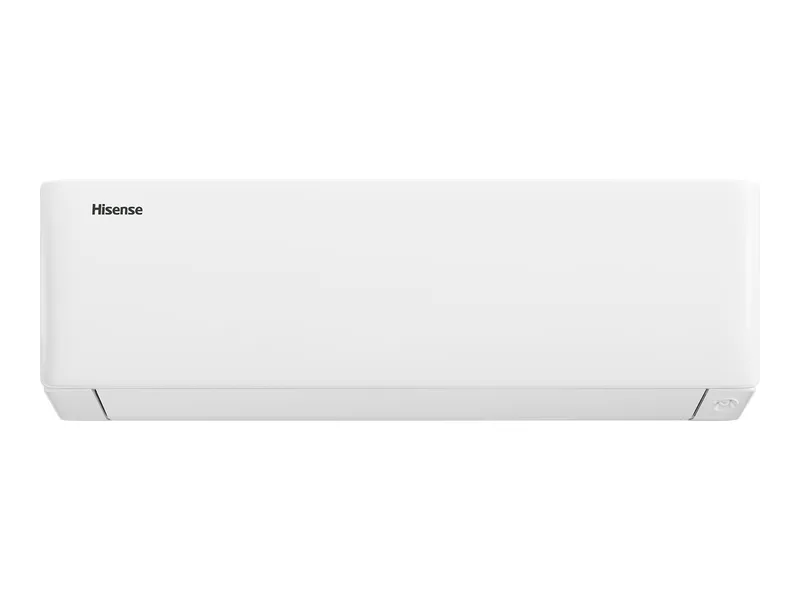 Image: Hisense
 Hisense Air Q
Wall split · 2.5 to 8 kW · 5 models
Est. installed $1,500–$4,300
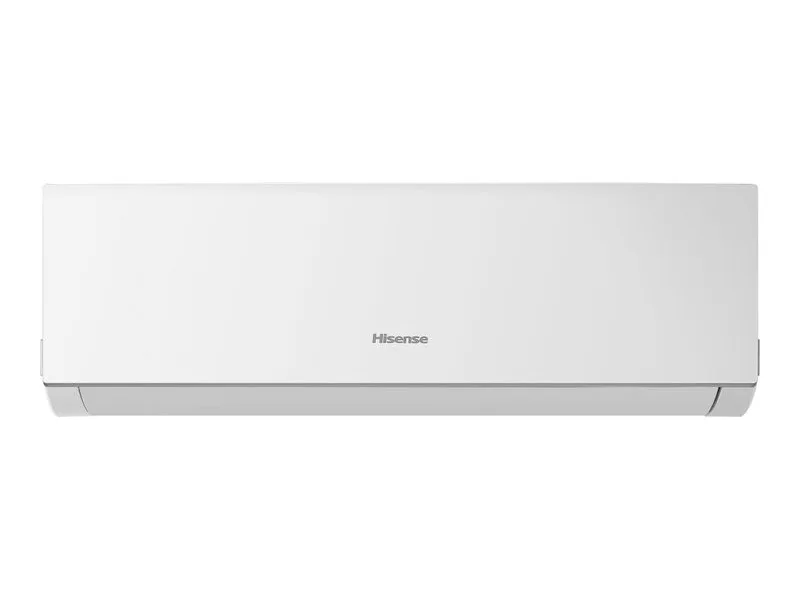 Image: Hisense
 Hisense X3
Wall split · 2.5 to 8 kW · 6 models
Est. installed $1,500–$4,300
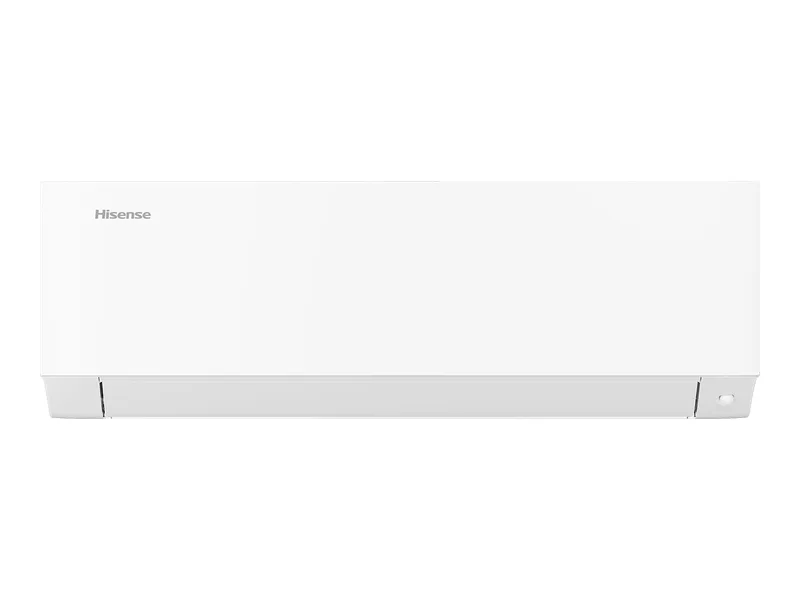 Image: Hisense
 Hisense X5
Wall split · 2.5 to 8 kW · 5 models
Est. installed $1,500–$4,300
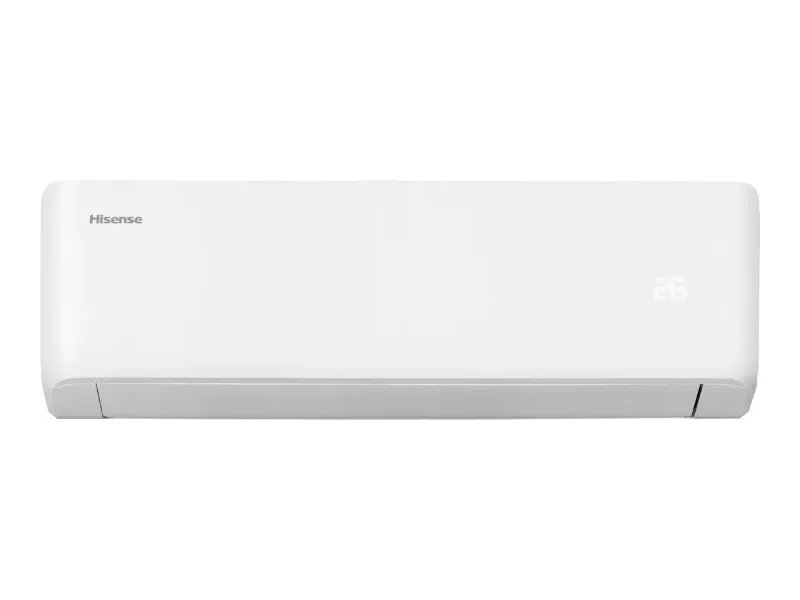 Image: Hisense
 Hisense X4
Wall split · 2.5 to 8 kW · 5 models
Est. installed $1,500–$4,300
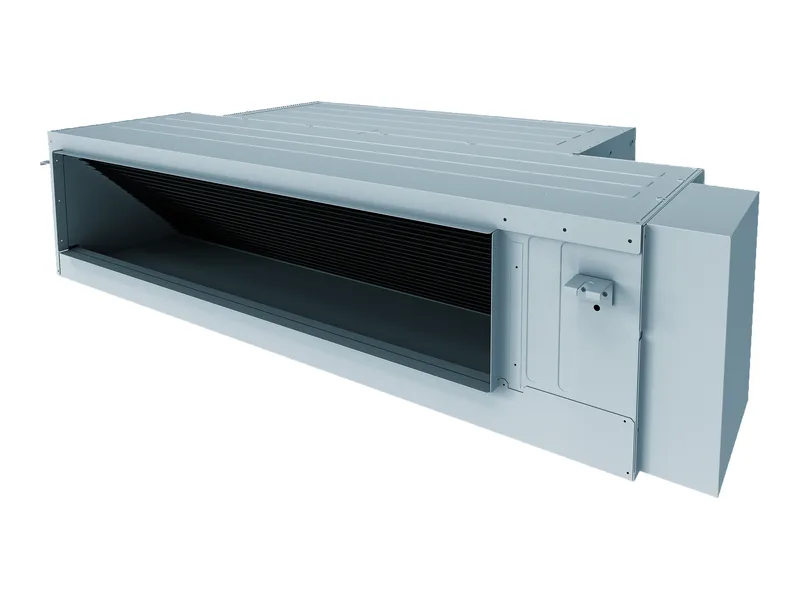 Image: Hisense
 Hisense Air Q Premium Ducted
Ducted · 8.5 to 16 kW · 5 models
Est. installed $6,500–$17,000
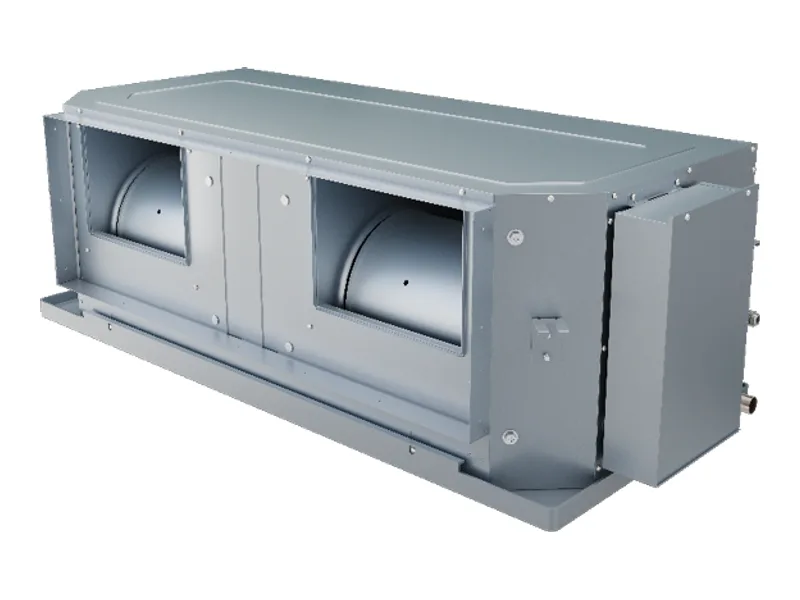 Image: Hisense
 Hisense Air Q Compact Ducted
Ducted · 8.5 to 12.3 kW · 3 models
Est. installed $6,500–$15,000
Hisense went from unknown to everywhere in Australian aircon inside a decade, the same route it took in televisions: modern factories, aggressive pricing, and products that got genuinely better every couple of years.
A typical bedroom split installs around $1,500 to $1,900 in 2026 on a standard install. Against a Japanese unit of the same capacity, that is often several hundred dollars saved, which adds up fast when you are doing three rooms.
The efficiency figures on current inverter models sit surprisingly close to the mid-tier. The gap shows elsewhere: fan noise at higher speeds, the coarseness of the controls, and the unknown of year twelve.
Where it makes clean sense: investment properties, spare rooms, home offices, garages, and any room where the unit runs occasionally rather than nightly. The maths of paying premium money for a room used twice a week never works.
Where we would not put one: the main bedroom of a light sleeper, or a coastal house where corrosion kills cheap coils first. Spend up where you sleep; save where you do not.
Every current model
48 Hisense models on the Energy Rating register
Compared on size, star ratings and noise, with typical installed prices.
Hisense split system range guide for 2026
Hisense's current wall splits are named by series letter. They step up from the basic X3 to the Air Q. The 2.5 kW sizes are the ones most people buy, and they are the ones that make the most sense in a spare room or rental.
| Series | Capacities listed | Where it sits |
|---|---|---|
| X3 | 2.5 to 8.0 kW | Budget. Easy installation, Wi-Fi and voice control |
| X4 | 2.5 to 8.0 kW | Entry. Adds a 4-in-1 catechin filter and Self-Clean Pro |
| X5 | 2.5 to 8.0 kW | Mid. HI-NANO air purification, Hisense's top efficiency claims |
| Air Q | 2.5 to 8.0 kW | Flagship. Hi-Nano Pro purification and Follow/Avoid airflow modes |
The X3 and X4 are the rational buy for a rental or spare room. The X5 and Air Q narrow the gap to the mid-tier on features, but at that price compare them against a Panasonic or Rinnai quote. Size the room with our calculator, compare costs in our split system cost guide, and get it quoted with the installation itemised.
Hisense ducted and multi-split
Hisense sells a residential ducted line that includes the Air Q Premium Ducted, listed in sizes from 12.5 to 18 kW with zone control and Wi-Fi. It also sells cassettes and an M Series multi-split, with outdoor units from 5 to 12.5 kW and wall, bulkhead and cassette heads. A single-storey three-bedroom ducted install typically costs $9,000 to $16,000 whichever brand you choose; see our ducted cost guide. On a job that size the badge saving is a small share of the total, so the installer's design and zoning matter far more.
Hisense remote symbols and error codes
The Hisense remote uses the standard mode icons (cool, heat, dry, fan and auto), which our modes and symbols guide explains. Series-specific buttons include Self-Clean on the X4 and above, and Follow/Avoid on the Air Q, which aims the airflow at or away from people.
Hisense publishes user manuals and service documents for its air conditioners on its Australian air conditioning site and in the product support centre. The manual for your model explains what the indoor unit display shows when it detects a fault. Codes vary between series, so we don't list them here. Owner checks are limited to the safe basics: clean the filters, make sure the circuit breaker hasn't tripped, and clear anything blocking the outdoor unit. Anything else needs a licensed technician.
Value-tier units are the ones most often replaced rather than repaired once they are out of warranty. If yours is more than 10 to 12 years old or keeps faulting, a new bedroom split costs about $1,500 to $2,500 installed in 2026 and a 7 kW living-room unit $2,600 to $3,900, on a standard install. See the split system cost guide or get up to three local quotes.
Hisense warranty in Australia: 5 years, or 7 if you register
Hisense's standard air conditioner warranty is 5 years. Its current terms extend that to 7 years on all domestic split, ducted, multi and cassette systems if you register the product online within 6 months of purchase. Seconds, demonstration and second-hand units are excluded. Registering takes a few minutes and adds two years, so do it the week the unit goes in, and keep the invoice with the model number.
Hisense service runs through its national support team rather than specialist dealers. In a rental, that is usually fine. In a regional town, ask who does Hisense warranty work nearby. Three local quotes through us come from licensed installers who can answer that.
Sources
Where it earns the money
- Real capacity for the money — the price-per-kilowatt leader in many quotes
- Modern inverters with efficiency figures near the mid-tier
- Availability everywhere, retail and trade
Watch-outs before you sign
- Noise floors run higher than the Japanese units, noticeable in bedrooms
- Longevity data in Australian conditions is shorter — the brand simply has not been here as long
Our verdict
The strongest of the value tier. Right in a rental or a rumpus, wrong as the main bedroom unit if silence matters to you.
Whatever the badge, sizing and install quality decide how it feels to live with. Check your postcode's rebate and get quotes from up to three licensed local installers to compare.
FAQ
Hisense questions
Is Hisense a good air conditioner brand?
For the money, yes. Hisense's current inverter splits are efficient and well-featured, and the warranty can run to 7 years with registration. They are louder than the Japanese brands at high fan speeds and have a shorter Australian track record, so they suit rentals and secondary rooms best.
How much does a Hisense 2.5 kW split system cost installed?
A Hisense 2.5 kW split typically costs about $1,500 to $1,900 installed in 2026 with a standard back-to-back install. Longer pipe runs, a second-storey outdoor unit or switchboard work add to that.
What is the warranty on a Hisense air conditioner?
Hisense gives 5 years as standard. Its current terms extend that to 7 years for domestic split, ducted, multi and cassette systems if you register online within 6 months of purchase.
Do you need to drain the water in a Hisense split system?
No. A split system drains its condensation through a drain line the installer runs outside or to a drain. If water drips from the indoor unit, the drain is likely blocked or the unit isn't level, which needs a technician.
Is Hisense better than Daikin?
Daikin is quieter, has a longer reliability record and a stronger dealer network. Hisense is several hundred dollars cheaper for the same size. Put the Daikin where you sleep and the Hisense where the unit runs occasionally.
What AC brands should you stay away from?
Avoid brands with no Australian service agent, no parts supply and no local warranty process. Those are usually unknown online-only imports. Hisense has a national support network and a local warranty, which is the minimum you should accept.
Other brands Australians check
 Daikin
  Mitsubishi Electric
  Fujitsu
  Mitsubishi Heavy Industries
  Panasonic
  Gree
Gree Brand names and logos are trademarks of their owners, shown to identify the brands we compare. We are independent and not affiliated with any manufacturer.

Get quotes for your air con
Free and takes about two minutes. Check your rebate, then up to three licensed local installers quote the job.
Compare 3 quotes